Sewing with the Next Generation of Survivors


Description
Sewing with the Next Generation of Survivors
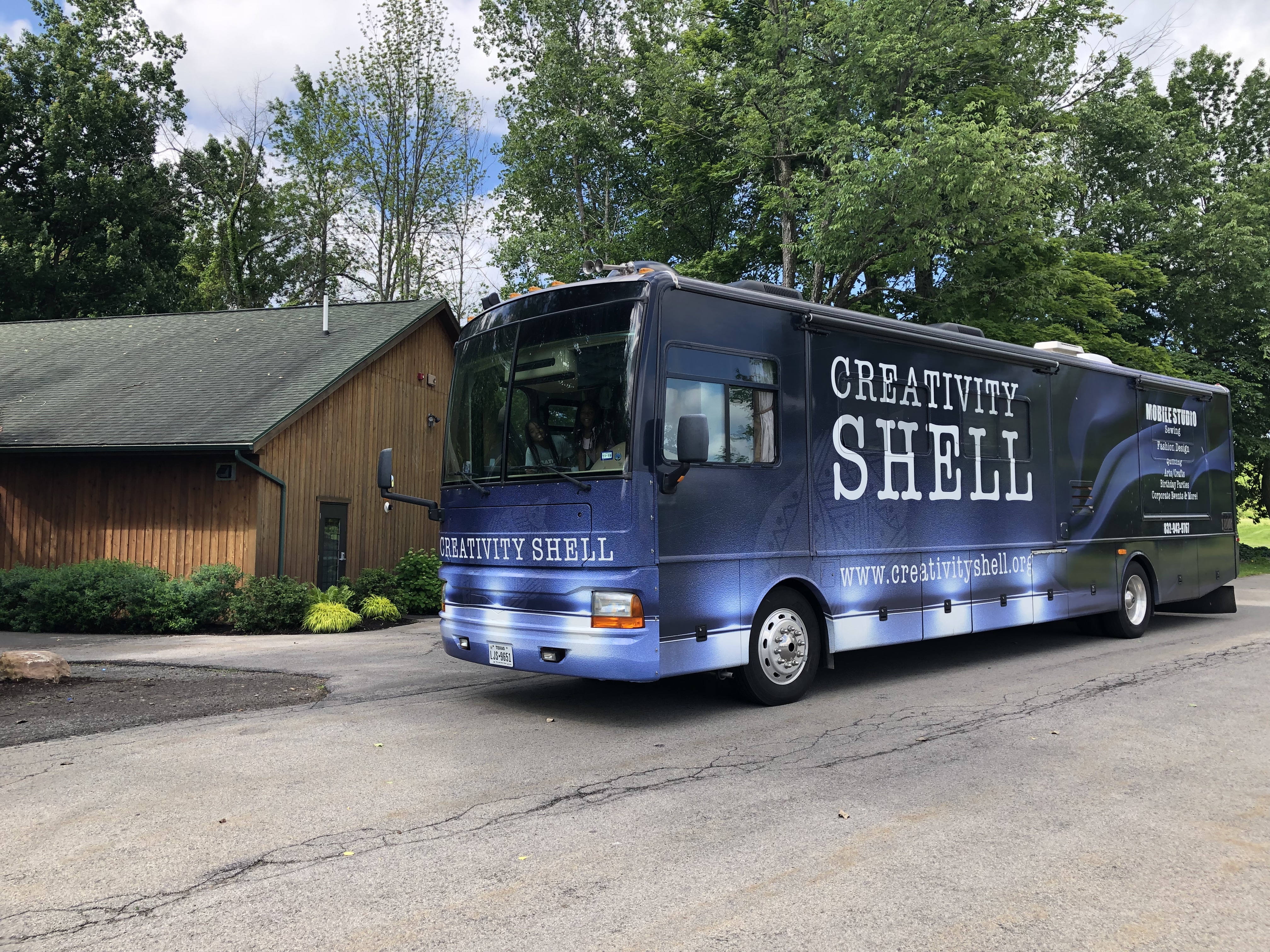
By Shelancia Daniel, Founder of The Creativity Shell
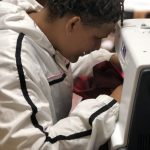
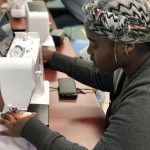
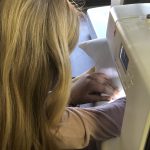
I will never forget the first day I packed up my sewing supplies and ventured off to an FBI safehouse to teach sewing classes to human trafficking survivors. I wasn’t sure what to expect, just that they told me the students were “children.” In my mind, I pictured teenagers… maybe sixteen, seventeen, or even eighteen years old.
I was wrong.
When I entered the building, cleared security, and walked into the classroom, I was greeted by little faces, small children, many barely older than my own. For a moment, I thought it must have been “Bring Your Child to Work Day.” The reality hit me hard: these were the survivors.
With years of experience teaching children as young as five how to sew, working with students on the autism spectrum, and a master’s degree in educational psychology, I felt prepared to teach. What I wasn’t prepared for was the emotional weight of that day. On my drive home, I cried the entire way, my heart heavy but determined. I knew I had to return. Sewing, I realized more than ever, could be a path toward healing.
The Healing Power of Sewing
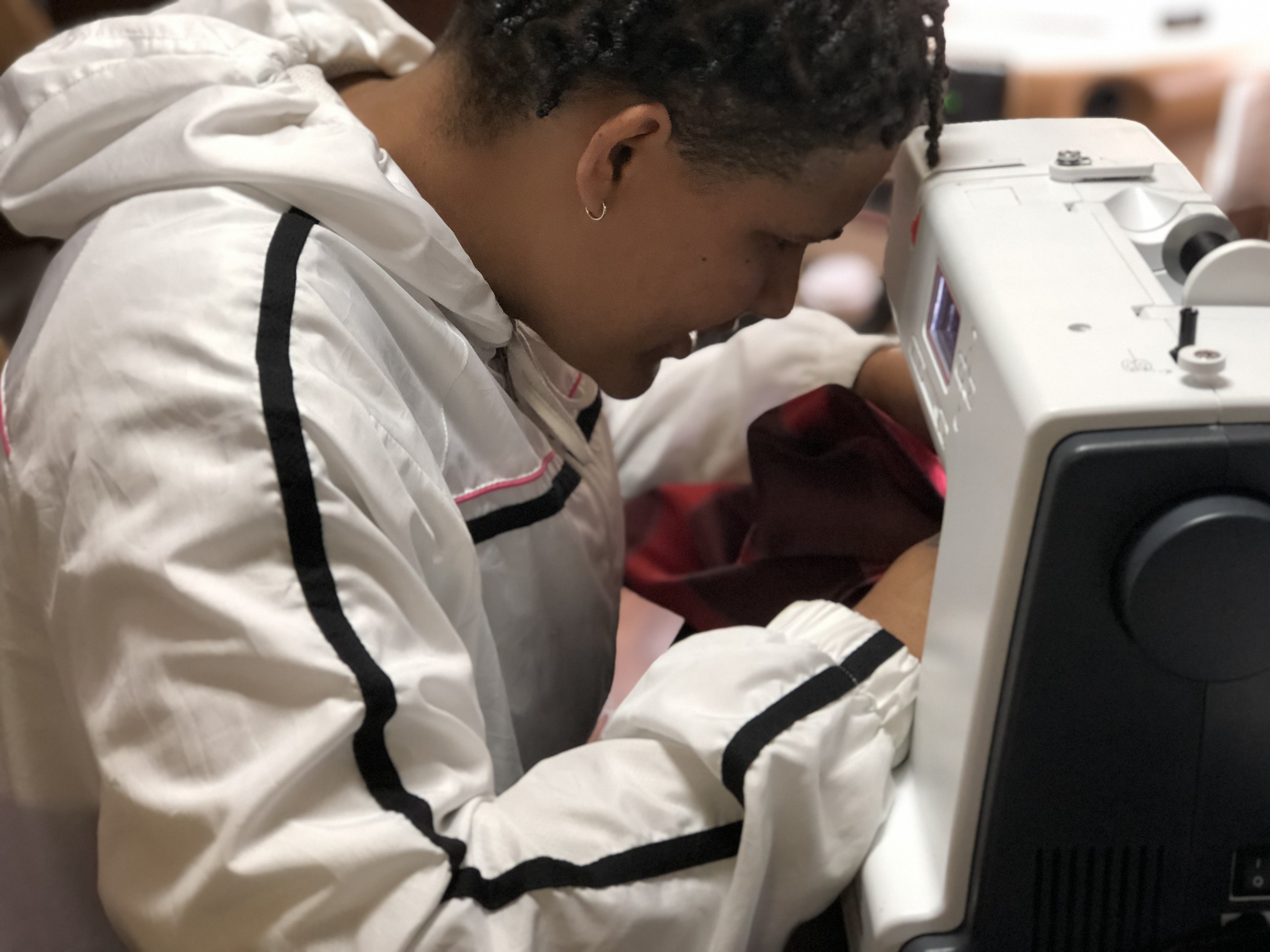
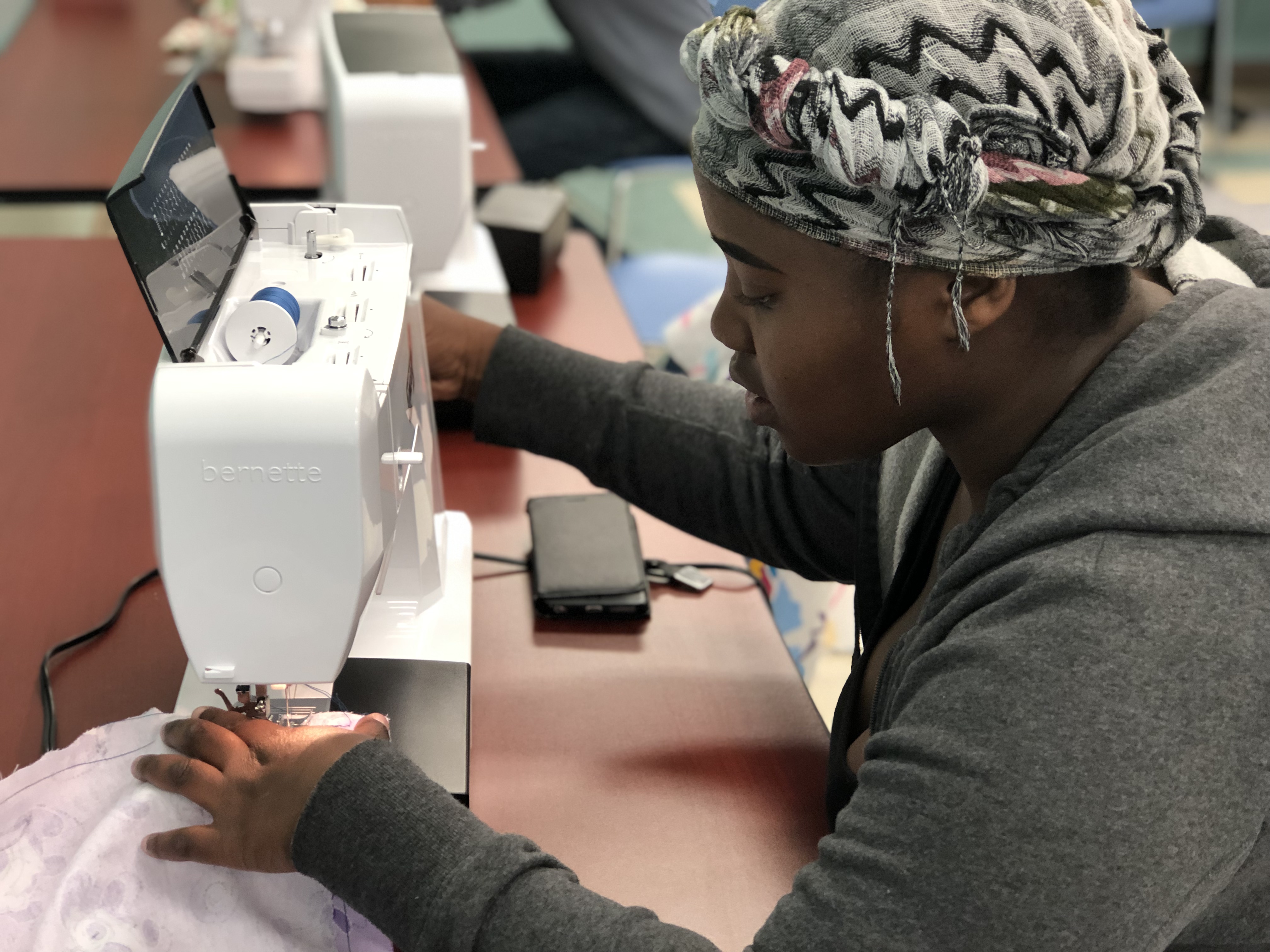
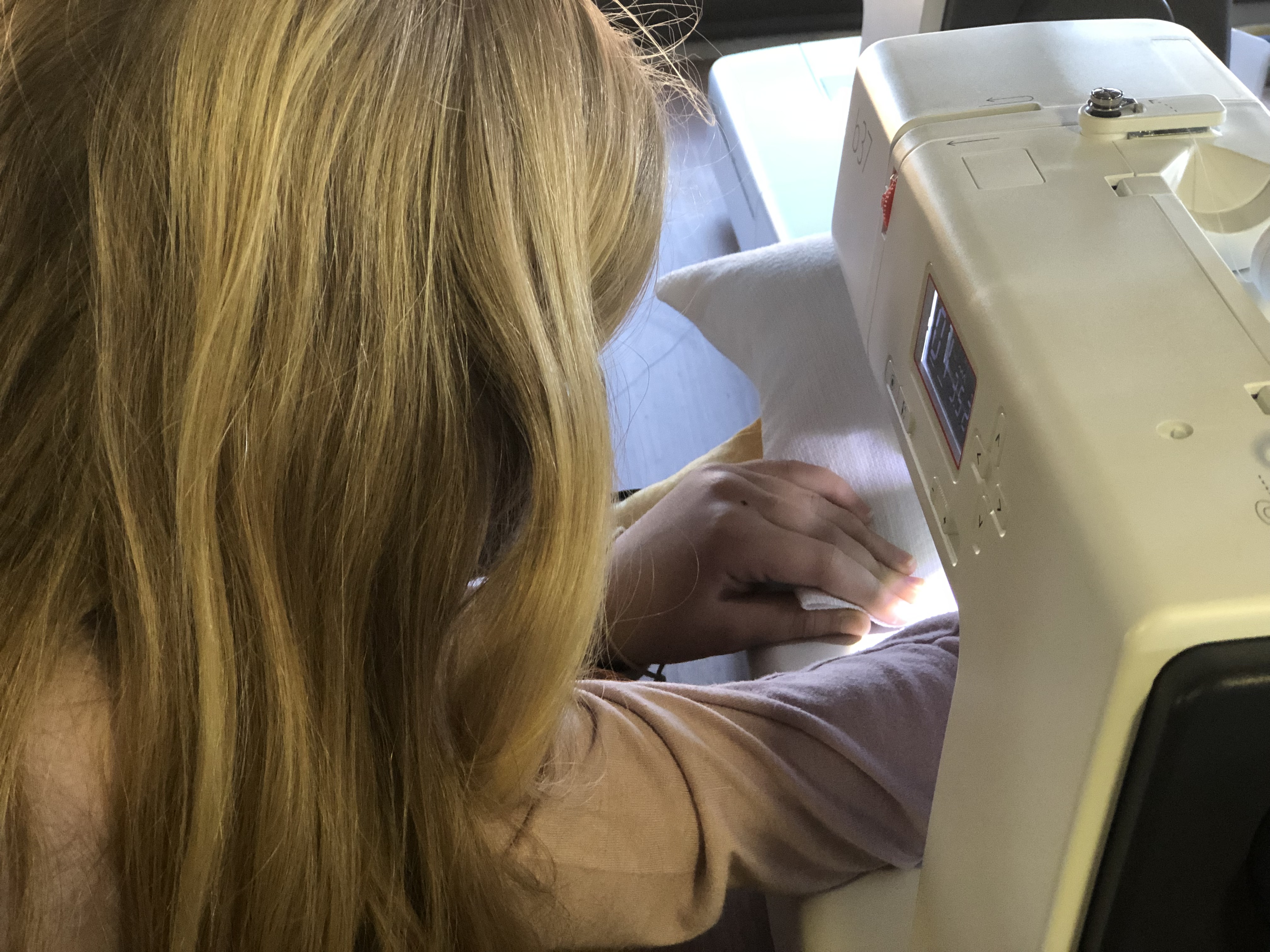
Sewing teaches far more than how to thread a needle or guide fabric through a machine. It builds focus, patience, confidence, and problem-solving skills. It nurtures independence, when a child finishes a project, they can hold tangible proof of their capability in their hands. For children healing from trauma, that sense of I made this becomes a profound affirmation of self-worth.
One day, we received a donated sewing machine, and one of the girls looked at me and said, “Someone donated this for us? Do they know what we did?”
That moment absolutely broke my heart. These were children, children who had been made to feel unworthy of kindness, compassion, and love. To see how deeply they believed they didn’t deserve something as simple as a gift reminded me exactly why I was there. Through sewing, I wanted to help them see their value again, to rebuild not just skills, but self-belief.
In those safehouse classrooms, I saw transformation unfold. Children who were withdrawn began to smile as they mastered the sewing machine. Survivors who had lost trust in the world found a small space of control, calm, and creativity. Each stitch was more than fabric and thread, it was a step toward rebuilding a broken sense of identity and belonging.
Prevention Through Creation
Through my work with the Creativity Shell, I’ve come to believe that sewing can also be a tool of prevention. While we often focus on the traffickers, we must also empower children before they are ever approached or targeted.
By teaching children fundamental life skills through sewing, confidence, resilience, patience, and focus, we’re helping them build the inner strength to stand tall, to value themselves, and to recognize their worth. When children feel capable, creative, and confident, they’re less likely to fall victim to manipulation or exploitation.
At the Creativity Shell, our mission goes beyond teaching a craft. We are teaching coping skills, self-expression, and self-reliance. These are the stitches that mend more than fabric they mend lives.
Stitching a Safer Future
If we can teach children these essential life skills early enough, perhaps we can make sewing one of the most unexpected but powerful tools in the fight against human trafficking. Every class, every project, every stitch matters.
Sewing isn’t just about making clothes, it’s about making confidence, courage, and community. And in doing so, we’re helping the next generation of survivors not just heal, but thrive.
One comment on “Sewing with the Next Generation of Survivors”
Leave a Reply
You must be logged in to post a comment.


What a wonderful, inspiring story! Sewing is therapeutic and once learned, never forgotten.