From Piecing to Perfection: A Quilter’s Perspective

Hello WeAllSew readers! BERNINA Ambassadors, Jen and Jaclyn here, and today we’re sharing Part One of a interview-style post about how quilters and longarmers collaborate. Before we dive in, a short introduction:
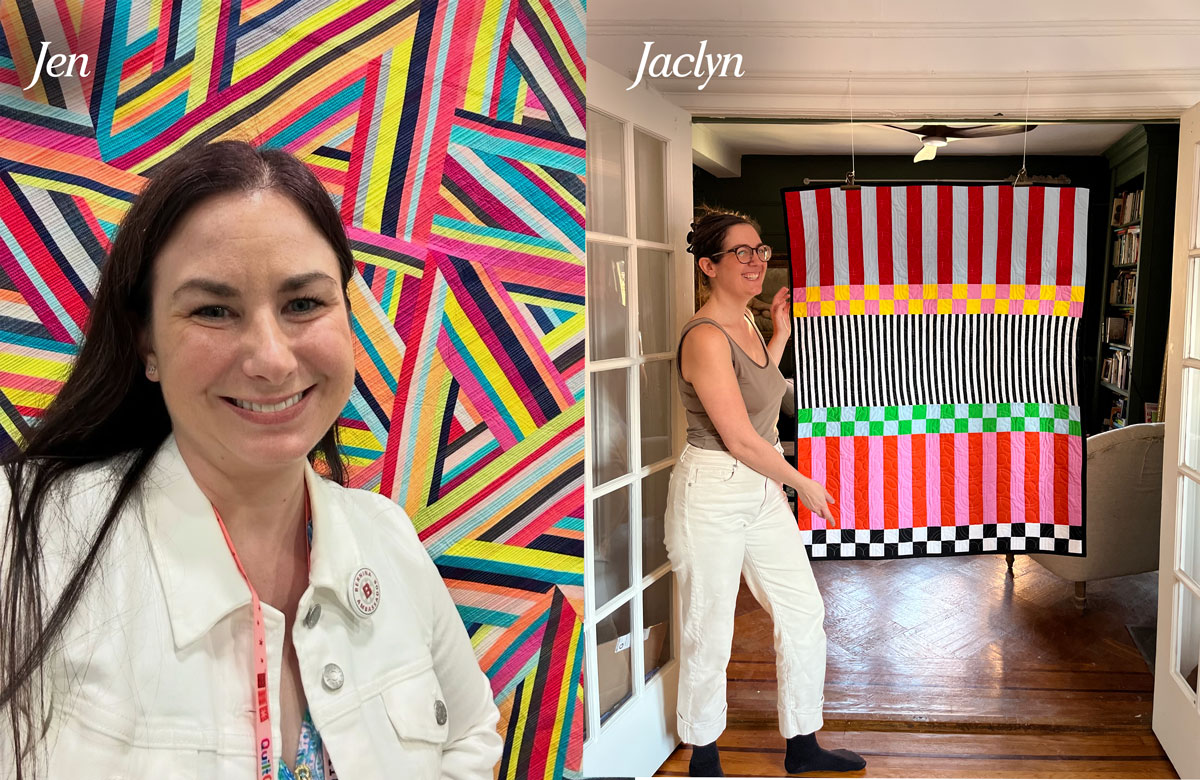
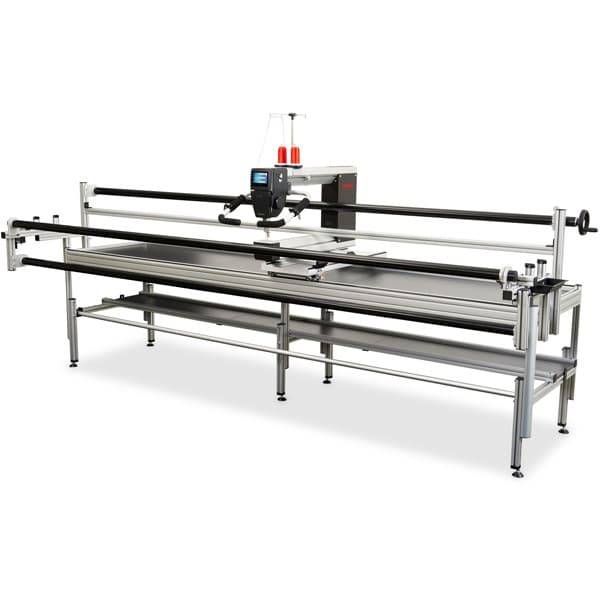
Jen: Hi friends, I’m Jen – A longarm, modern quilter from New Hampshire that has been quilting for over 20 years. I started sewing here and there in high school and began focusing on quilting in college where I found my true passion. As I grew my quilting skills I began designing my own quilts and eventually dove head first into longarm quilting. I longarm with the BERNINA Q 24.
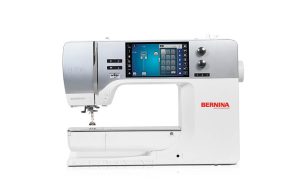
Jaclyn: Hi everyone, I’m Jaclyn. I’m a very enthusiastic home sewist based in Brooklyn, NY. My current sewing focus is garments, but I got my start with sewing via quilts when I was 8 years old. These days, I have at least 1 or 2 bed-sized quilt projects in my yearly mix of crafty endeavors. I consider myself an advanced sewist, but there are plenty of things I still have to learn. That’s the beauty of this hobby! I sew with the B 735.
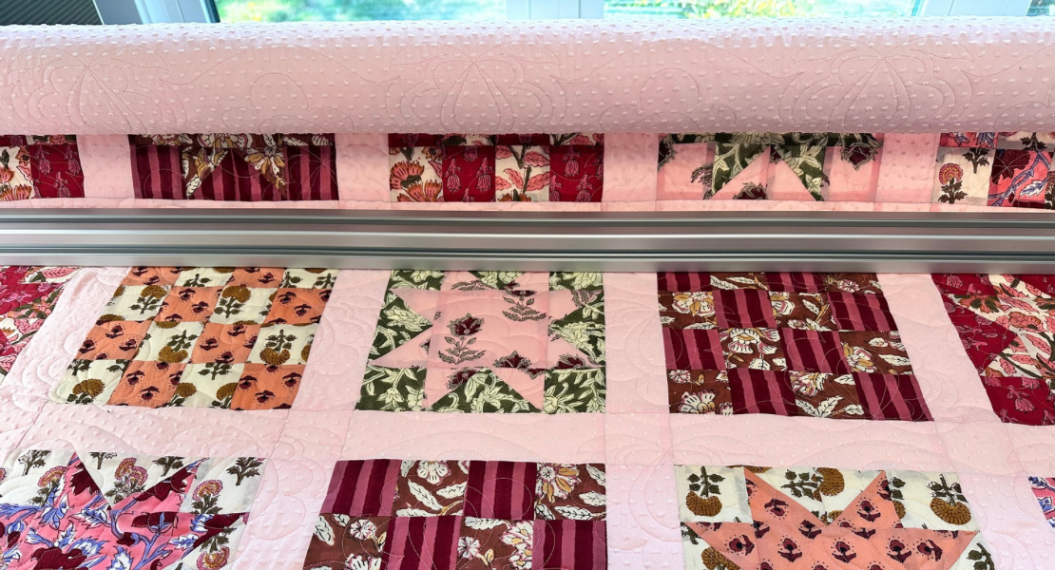
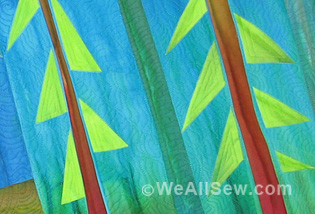
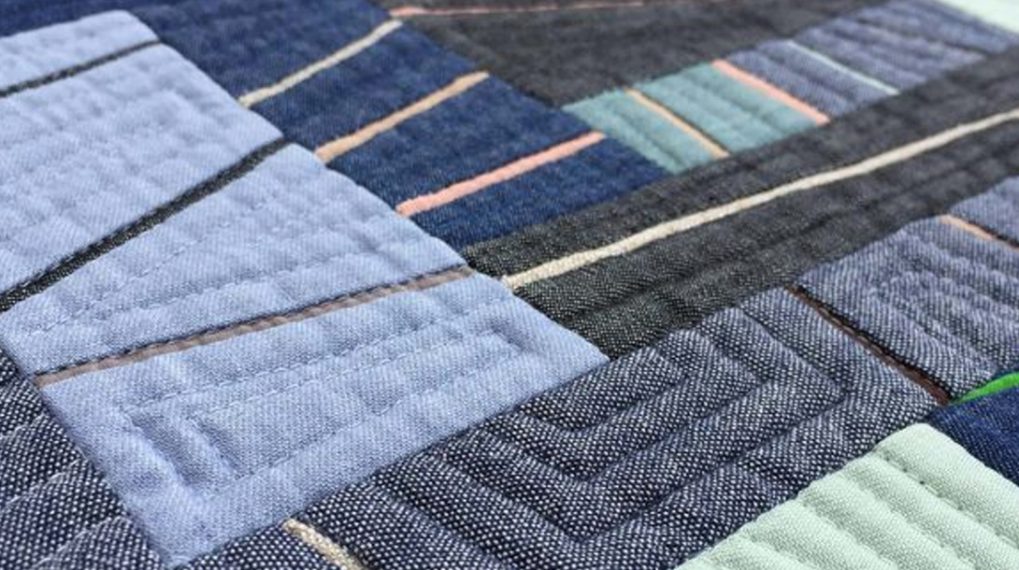
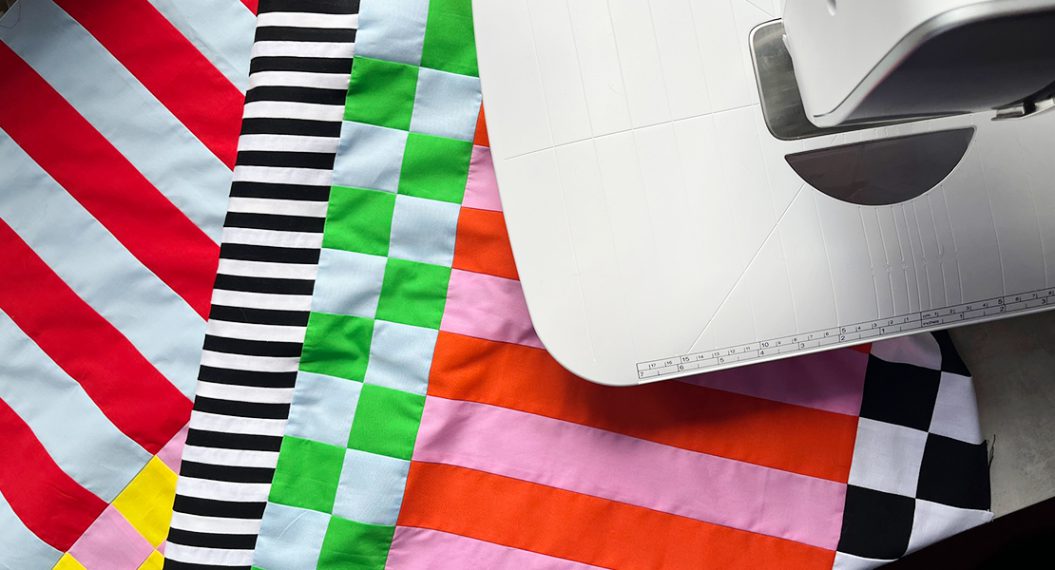
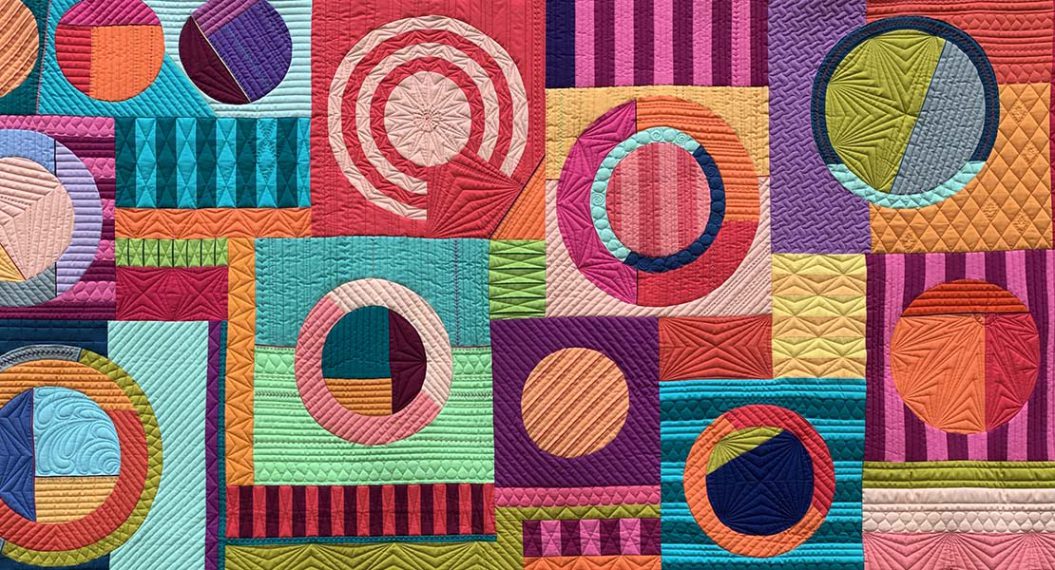
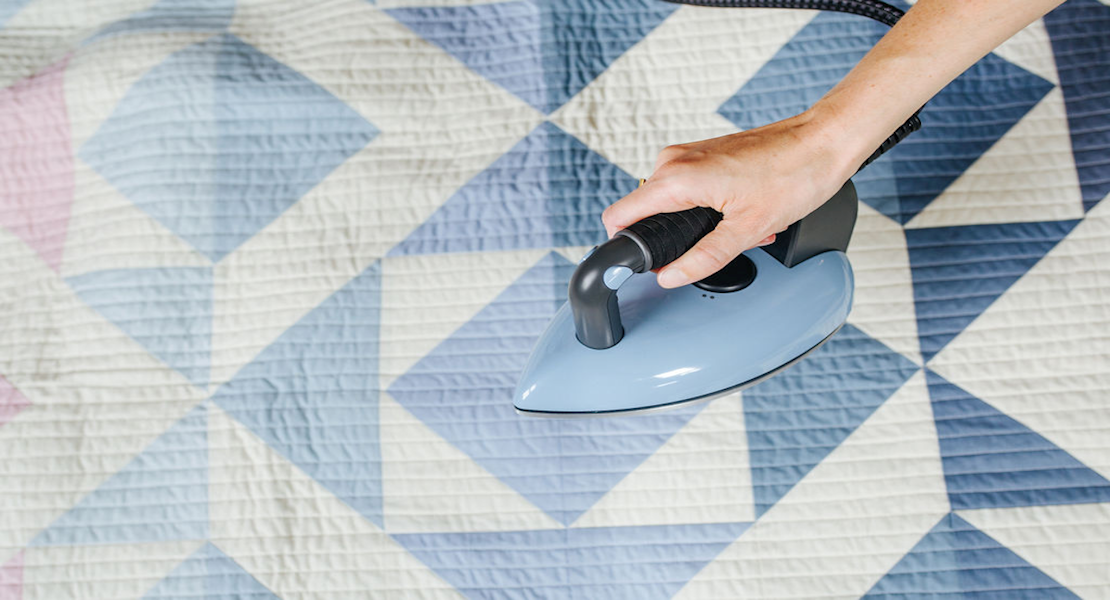
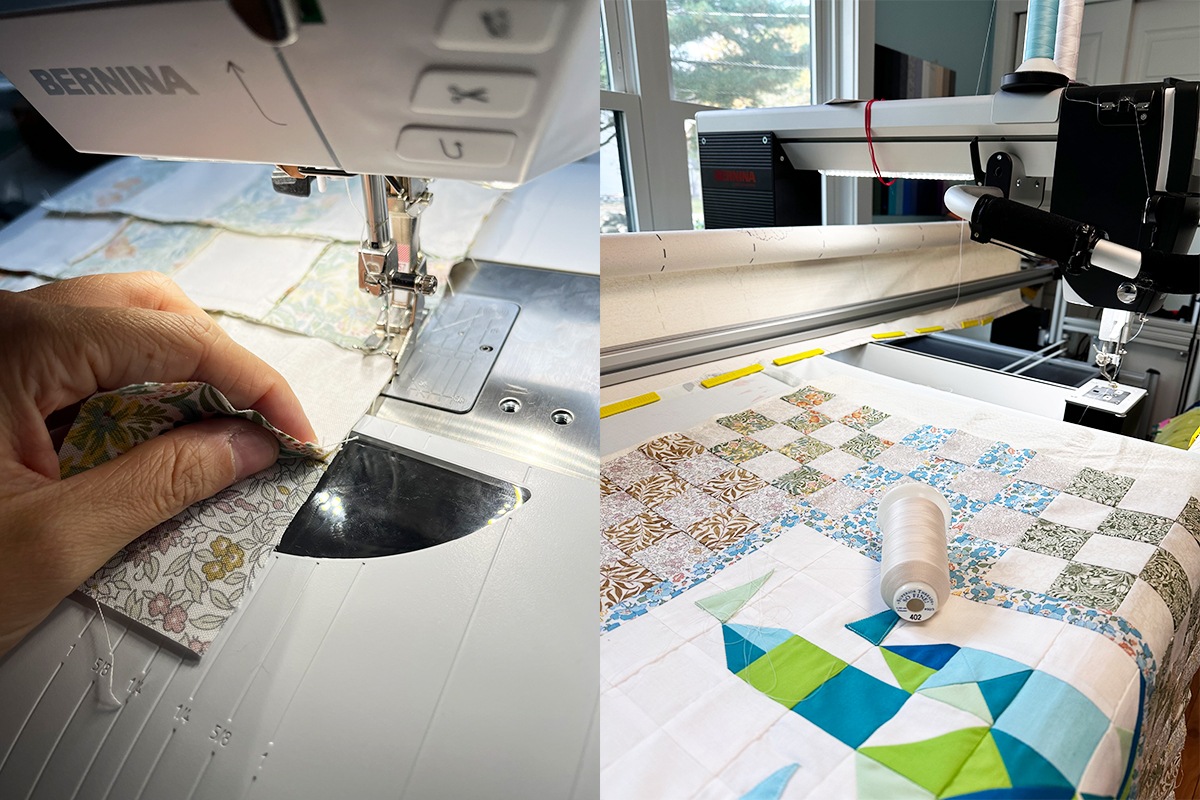
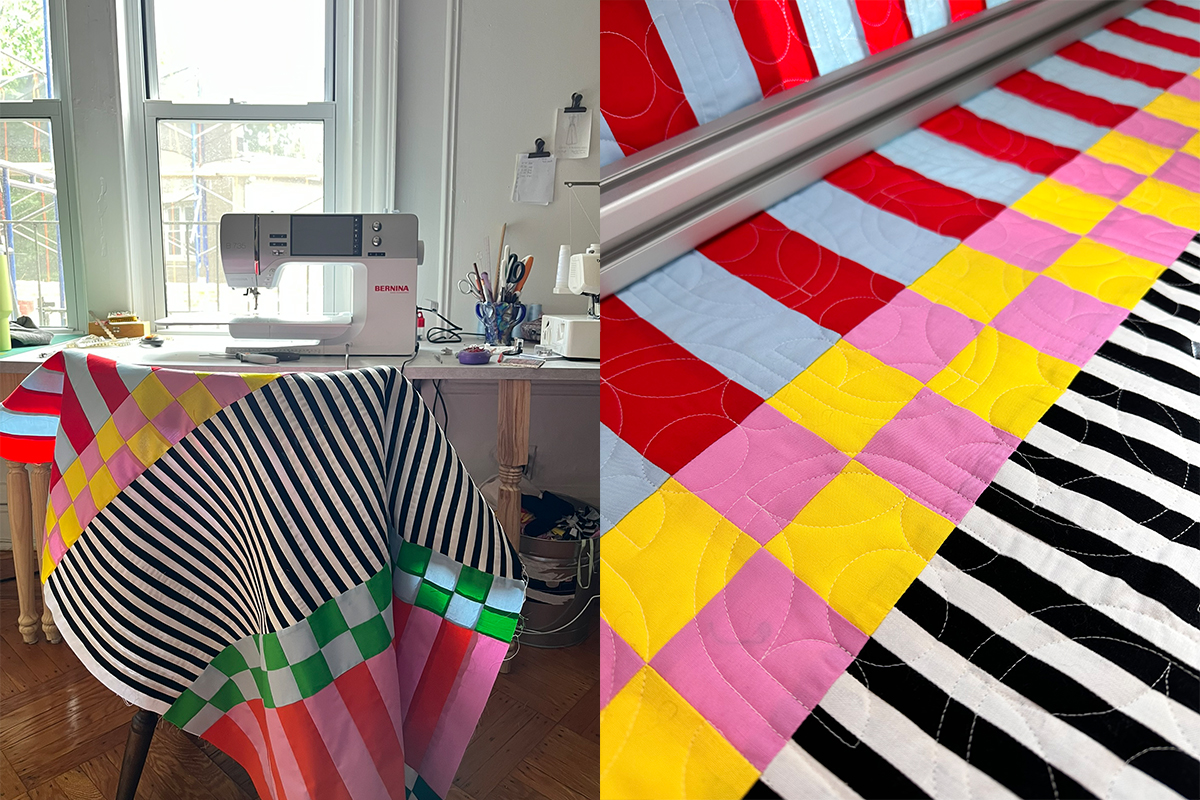
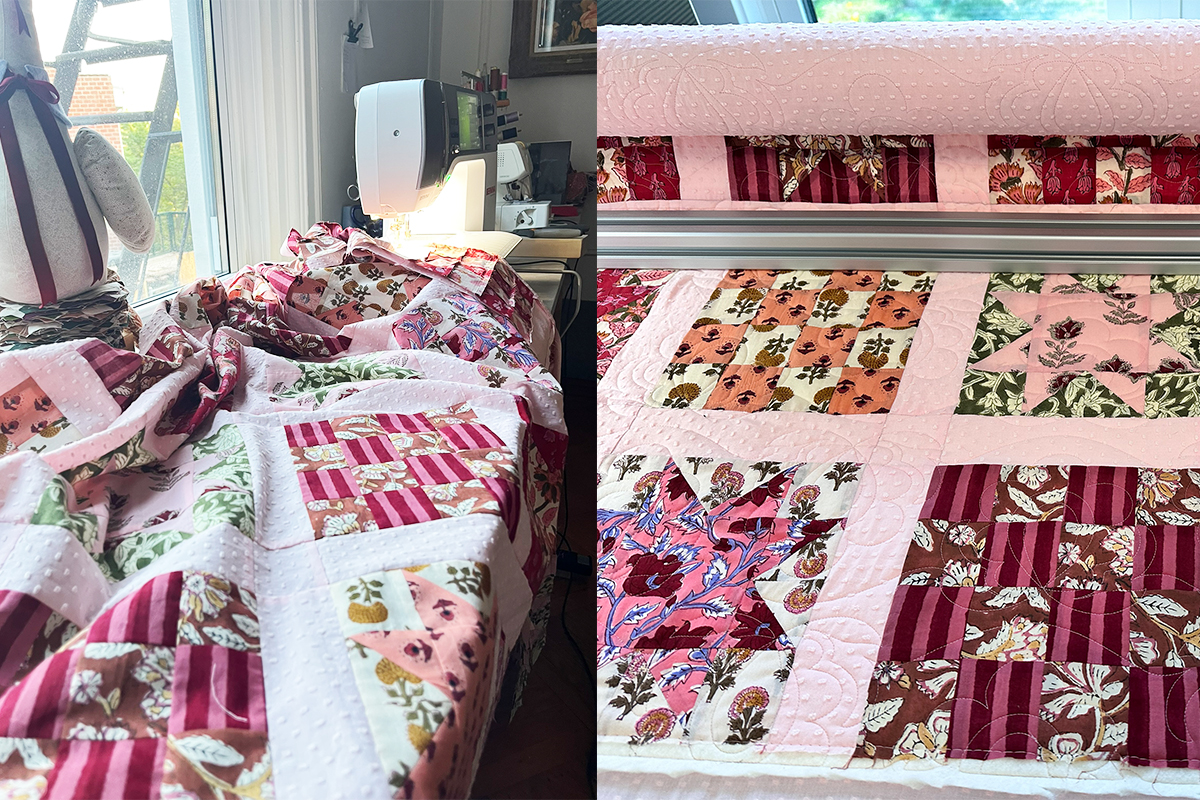
We recently collaborated on three baby quilts. Jaclyn pieced the tops on her B 735, and Jen longarmed them on her Q 24. We thought it would be fun to sprinkle a few images of them throughout the post. If you would like any additional information about the quilts themselves, please leave a comment below, or you can check out Jaclyn’s Instagram.
A quilter finishes their quilt top, and now they want to send it out to a longarmer for quilting. What does that process look like? How does a quilter find a longarmer? What decisions does the quilter need to make? What does the longarmer need to make the quilt a success? Jen and I thought it could be fun to “interview” each other to share some of the ins and outs of collaboration between quilters and longarmers. This will be a two-part series. Part One focuses on a quilter’s perspective, and Part Two will focus on the longarmer’s.
Part One: Questions for the Quilter
Q: How do you find a longarmer?
Jaclyn: I don’t have a local longarmer, so I work with longarmers that have been recommended to me via Instagram who are all out-of-state. (You could also reach out to your local quilt shops for referrals.) Once I receive a recommendation, I look at their work on social media. I’m looking for: 1) quality that meets my expectations, and 2) a fairly robust portfolio of experience. Because I have to ship my projects out-of-state, the experience factor is less about aesthetics, and more about assessing if I’d comfortable sending my projects to this person. We work hard on these quilts. I don’t know about you, but for me there is a lot of vulnerability in giving them to someone else to work on! From there, I’m immediately looking for a website. If there is no website, I’m unlikely to reach out unfortunately. As someone who works with non-local longarmers, I appreciate a website for many reasons: professionalism, price, schedule, panto options, backing and batting instructions, and shipping information.
Jen: If you’re a new longarmer trying to build your client base, I recommend starting with your local quilt guild and quilt stores. Start with some familiar friends and quilters to build your client base and grow from there. Your online presence will help significantly. Include examples of quilts you’ve quilted on your website, Instagram, and other social media platforms. Include examples of pantographs you could quilt or free-motion designs you’ve quilted previously to help customers find you. Intake forms are also helpful to allow prospective customers to ask questions and input your required information. Provide as much information as possible to help quilters make informed decisions. Consider some of these questions as items you might want to ask prospective clients (as well as basic information like quilt size, materials, etc.).
Q: What look are you going for with this quilt? Are you looking for a certain aesthetic or vibe?
Jaclyn: ALWAYS. Haha! As a graphic designer, these decisions typically come quite naturally to me from decades of practice, but there are times (like with my recently finished Peanut Butter Quilt), where I had the huge benefit of sewing a popular pattern. This meant that I was able to look at many finished projects with the Instagram hashtag. The pantograph (panto) that I ended up choosing (Hippie Dippie Oval by Julie Hirt) wouldn’t have even made the shortlist if it wasn’t for the fact that I was able to see it in action. So my advice to readers? If possible, browse finished projects on Instagram (or Pinterest?). You might end up totally surprising yourself with what you like. Also, I find that the more quilts I sew, the more willing I am to consider “out-of-the-box” design selections. I’m curious if others out there feel the same? I can’t imagine I will ever reach the “Longarmer’s Choice” level of flexibility (haha!), but now I’m much more willing to delve into more contemporary panto designs compared to when I first started quilting.
Jen: Understanding the aesthetic of the quilt helps longarmers make recommendations to the quilter around quilting patterns and thread. The quilting should compliment the quilt or enhance it. Sometimes that means making the quilting the focal point. In those instances perhaps I recommend a contrasting thread color that’s a thicker weight to make it show more. If it’s a baby or a bed quilt, maybe that means making the quilting more subtle to blend in. In that instance, I might recommend a particular quilting design or a thinner weight of thread that blends in with the quilt. Knowing the aesthetic a quilter is going for in advance is helpful in making the right guidance to quilters.
Q: Do you have a thread color or quilting design in mind?
Jaclyn: 99% of the time, I like to be very specific with my design decisions— the panto choice, panto size/scale, the thread color, the batting type (if there are options to choose from), etc. However, if the longarmer sees my design inputs and has a suggestion, I’m definitely open to their input—especially if there is a functional reason for it. Maybe I’ll take it on board, maybe I won’t, but in these situations I appreciate hearing from the experts—especially if the longarmer sees some red flags in my choices.
Q: What are some factors that influence the quilter’s decision-making?
Jaclyn: From a design standpoint, here are some aspects I think about when making choices about the quilting:
- Do I want the quilting to be a focal point, or something that blends into the background?
- Would this quilt be best-suited to e2e (edge-to-edge) quilting or free motion quilting? And do I have the budget for free motion quilting? (FMQ is more expensive)
- How much contrast do I want the thread to have from the quilt top?
- What type of quilting design would best suit the project? (Energetic vs soft, structured vs organic, etc)
- If I decide to go with free-motion quilting, are there areas of the quilt I want to have a different style? (In any borders, for example)
If you’re someone who struggles with these kinds of decisions, every longarmer I’ve ever worked with has been happy to assist or provide some options that they think will look great with your quilt! Some have an option for “Longarmer’s Choice” on their intake forms.
Jen: Jaclyn highlights many of the questions I ask when talking to quilters about their quilts. All of these questions help me recommend the type of thread and thickness/weight of the quilt. Knowing these thoughts also helps me make recommendations should the quilter ask for a thread that might not totally align with what they’re going for.
When it comes to the pantograph, I also want to know how the quilter wants the quilt to drape, which will inform the longarmer about the density of the pantograph and style. Some pantographs will quilt up denser than others. Some pantographs are more graphical vs. abstract and some are better for all over quilting vs. the border of a quilt.
Q: Will this quilt be frequently washed?
Jaclyn: A great question, and not one that I’ve ever had a longarmer ask me. For some quilts the answer is “Yes, frequently!” (baby quilts) and others “As needed.” Would love to know more about how longarming choices affect my quilt.
Jen: As a longarmer, this matters in the type of batting I would use, thread, and even stitch length. I want to make sure I’m quilting something that both fits the aesthetic of the quilt and will last. If a quilt is meant to be hung on the wall and the quilting is going to be a key feature I might use a longer stitch length and thicker thread to give the quilting more of a hand quilted feel, but for a baby quilt that’s going to be washed frequently I’ll shorten the stitch length and use a 40 wt or 50 wt thread.
Q: Are there any “challenging” areas on the quilt I should be aware of?
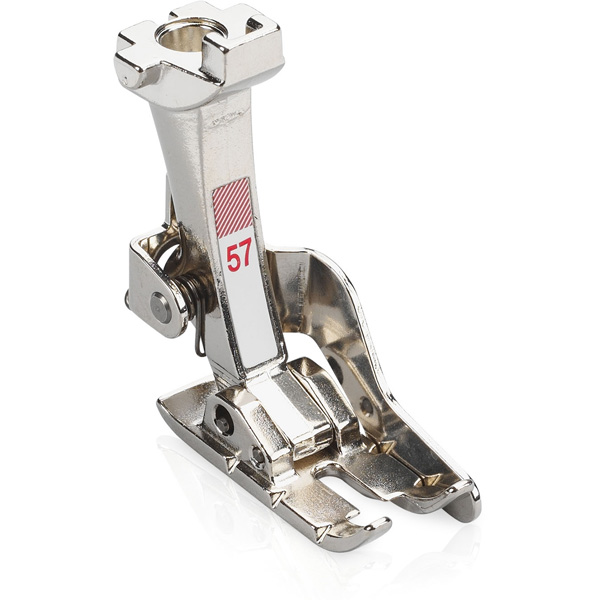
Jaclyn: I love that we’re doing this because this is another one I’ve never been asked before! Although I will say, I’ve never really had major problem areas with my quilts. My B 735 (and also my #57 Patchwork Foot with Guide) makes piecing SUCH a joy, and really helps you achieve a high level of precision. The perfection of the stitching is just gorgeous. So maybe it’s just never come up? (Although I probably should have flagged that section with the ½” black and white strips in my Checks Mix quilt that you quilted for me. 👀) I will say, I don’t typically do things like mixing fabric types which could create challenging areas in quilts. I know that many longarmers’ intake forms have a space to add “Additional Information.” That would be a great place to flag challenging areas in a quilt.
Jen: Let’s face it, none of us are perfect quilters and I’d much rather know if I need to be careful about certain areas in advance to help make the quilt as beautiful as possible. Are a few seams thinner than others and need a little more reinforcement? Is there an area you had to fudge a bit to make fit that would require me to keep a close eye on while quilting so it doesn’t bunch? Is the quilt not quite square? Basically, it’s very helpful to know the little nuances that you could be concerned about so that I can take the same care that you would take on your quilt.
Q: Is your quilt directional and does it matter what direction the quilting design goes?
Jaclyn: My gut-instinct was to say that my quilts are not directional, but then I realized that ALL THREE of the quilts that you quilted for me were! 😂 So maybe my quilts are more directional than I thought. This is a great point, because pantos are often directional. Indicating the top—so that your longarmer knows how to load the quilt into their machine—will ensure your quilt turns out how you’re expecting. I happen to know that Jen likes a safety pin indicating the top. However, I would definitely give your longarmer a heads up if you do that so that they know it’s there and don’t accidentally break any needles quilting over it.
Jen: If your quilt is directional, it’s helpful to mark the top of the quilt with a safety pin or something similar to know the best way to load the quilt on the machine. As you can tell, the more information you can provide your longarmer, the happier you’ll be with the finished product. I can assume all I want when I look at a quilt what direction I should load it onto the frame, but knowing for certain takes all the guesswork out of the process.
This concludes Part One with the questions for the quilter (Jaclyn). In Part Two of the series, we’ll be interviewing the longarmer (Jen). Do you have other questions for the quilter? Let us know in the comments!
If you’d like to follow along with more of our projects, you can find us at:
Jaclyn
Jen