Quilting Ripstop and Nylon Fabrics

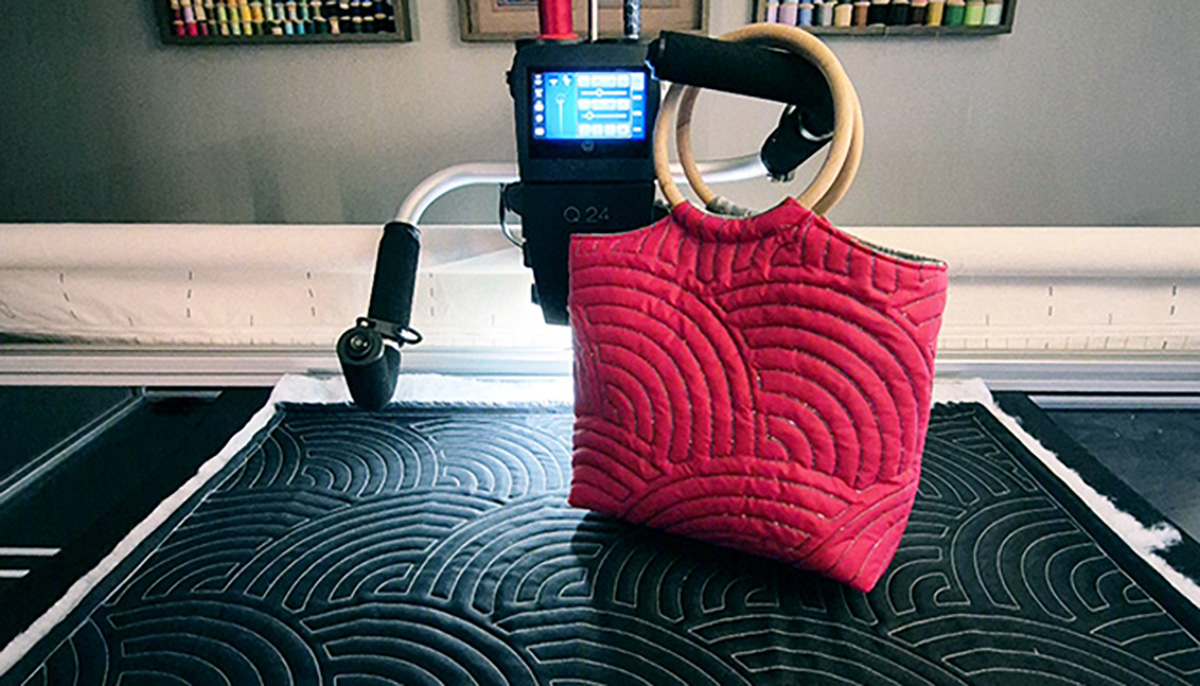
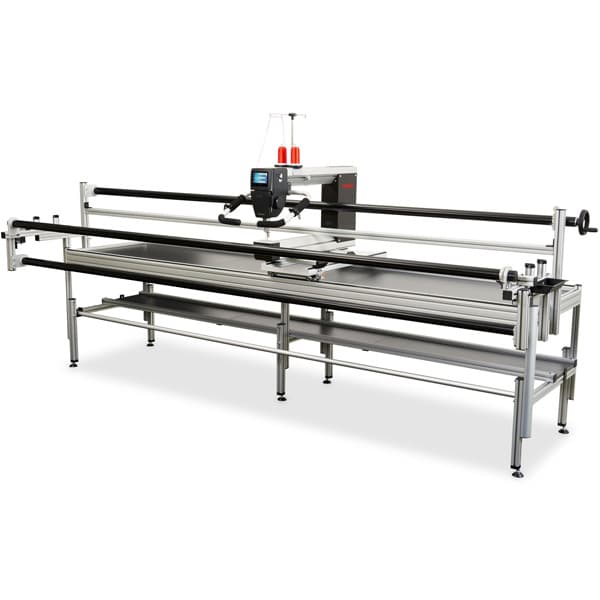
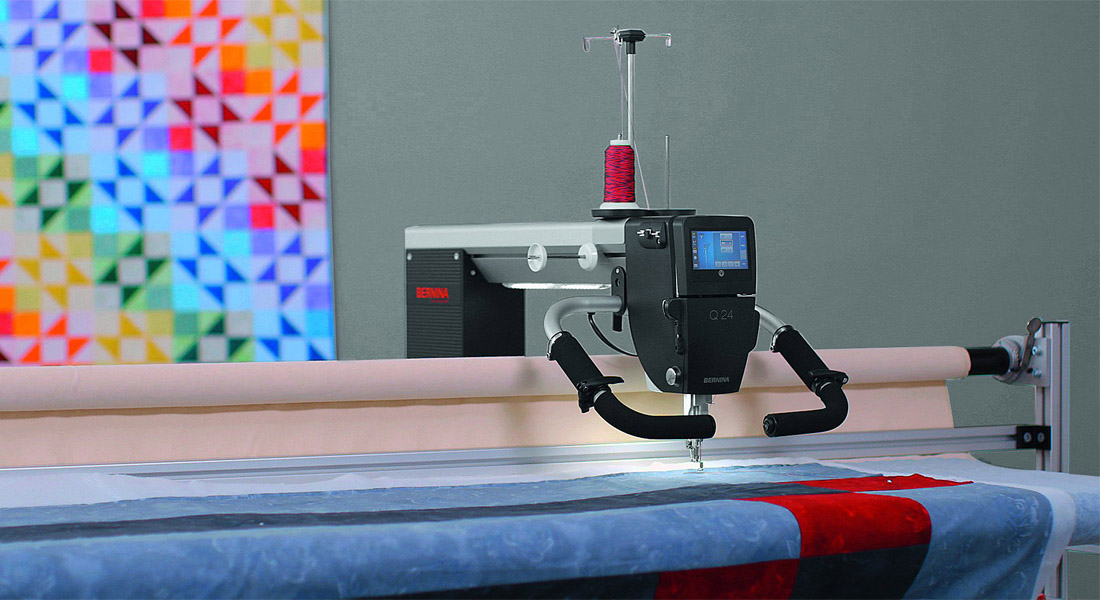
Recently, I’ve been exploring nylon puffer jackets and quilted outdoor gear. As you can see from a previous post I wrote, I love a quilted jacket, but garments made from quilting cotton are not always practical for winter weather. So I set out to see what loading the longarm with nylon fabric was like. Here’s what I discovered.
What’s the difference between nylon and ripstop?
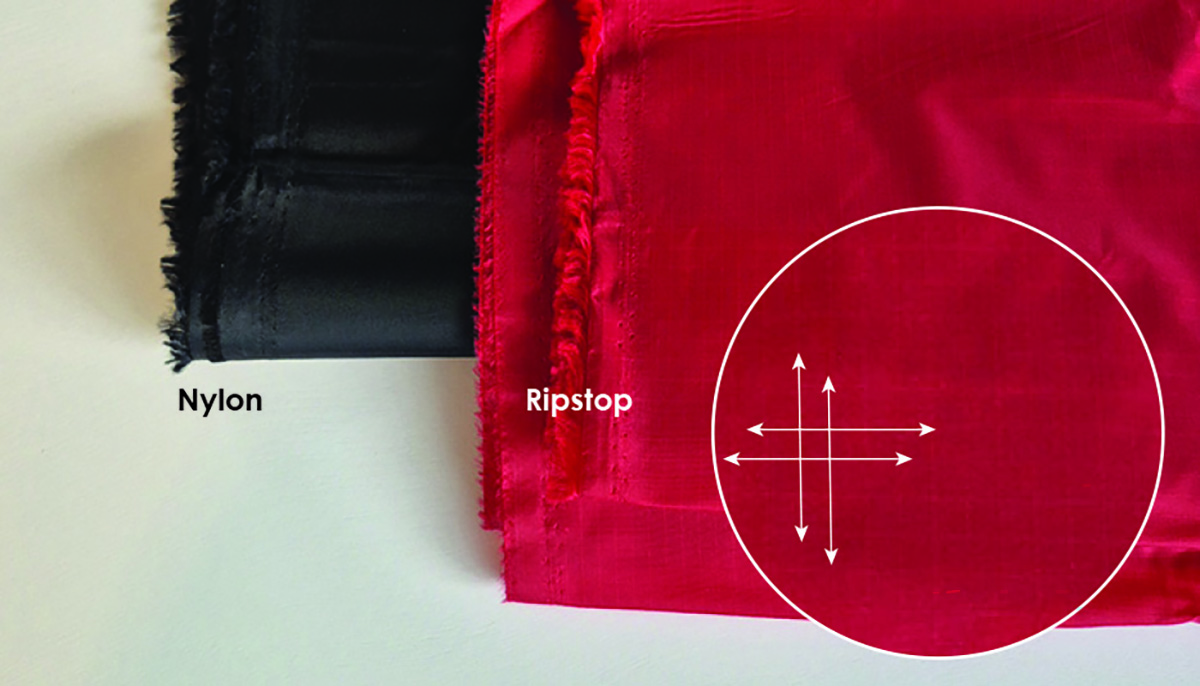
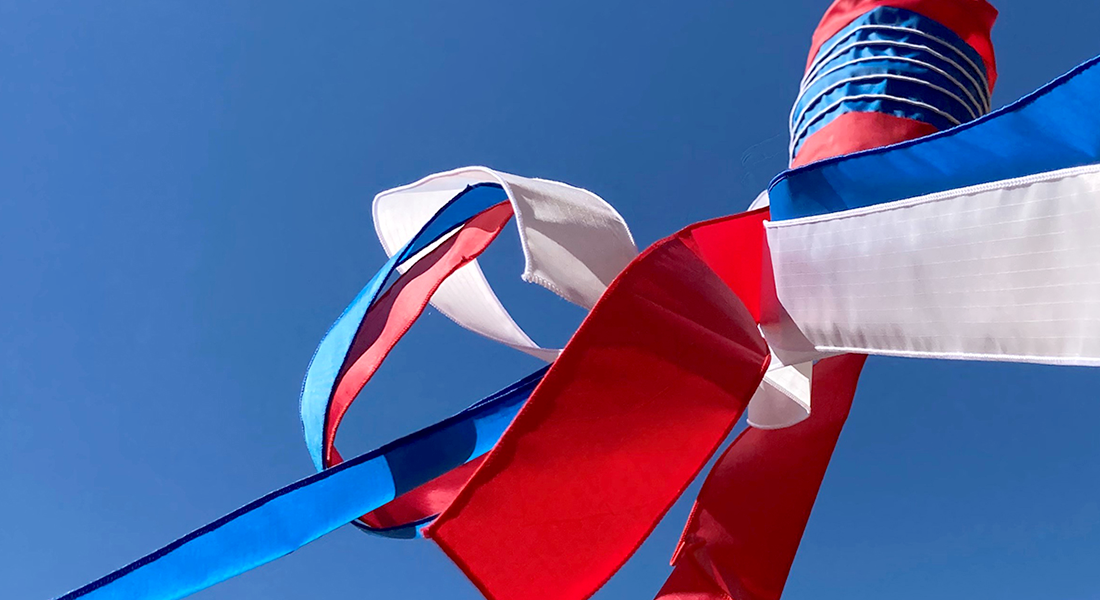
Most outdoor gear is made of nylon or ripstop. Nylon fabric is woven with synthetic threads and can often be torn easily from selvedge to selvedge. Ripstop is stronger than regular nylon because it is intermittently woven with thicker, reinforcement threads, giving it an identifiable grid design. It is this grid of threads that gives the fabric its name because it stops any tear, or “rip”, from growing.
Both fabrics come in varying weights. Think of that fine, silk-like fabric used to make sleeping bags, compared to the stiffer and rougher fabric of workwear or backpacks. Because the BERNINA Q Series longarms can use any domestic needle, there is a lot of flexibility in choosing an appropriate needle.
Needle and Thread Selection
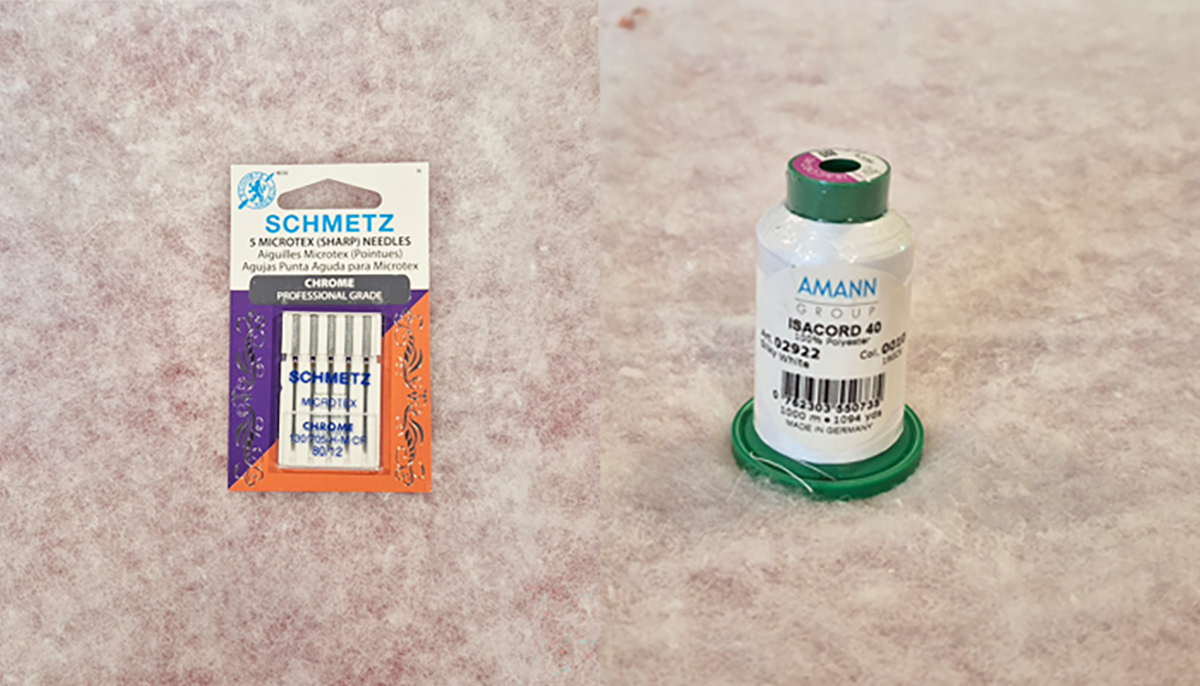
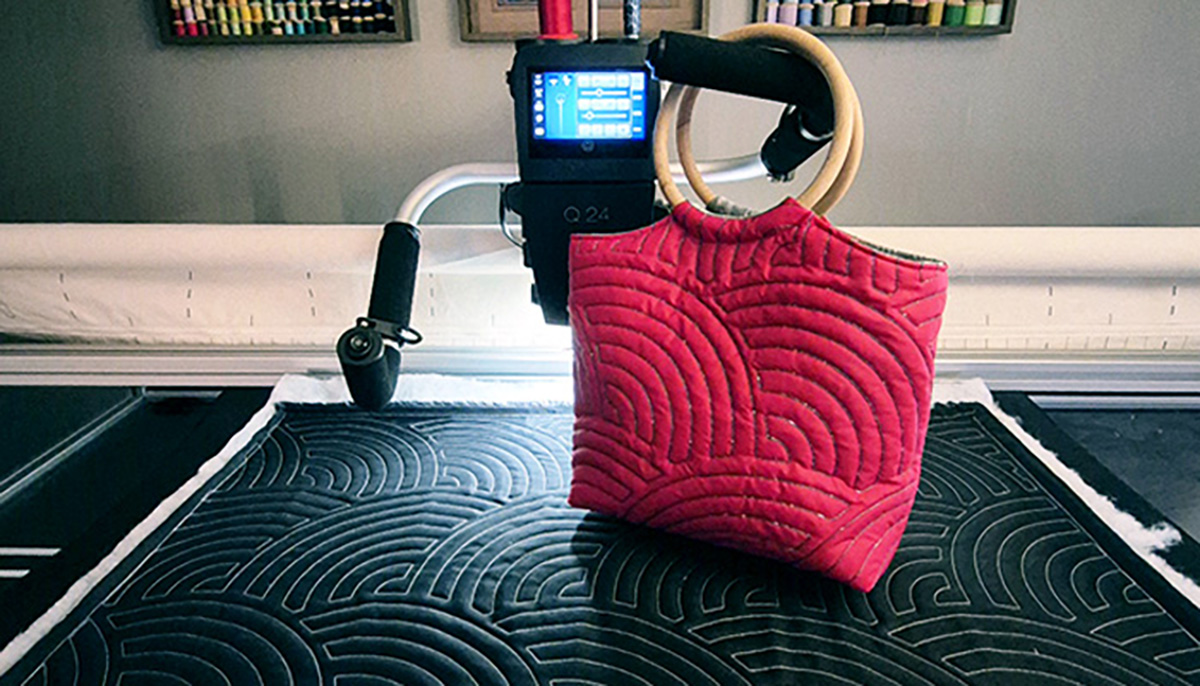
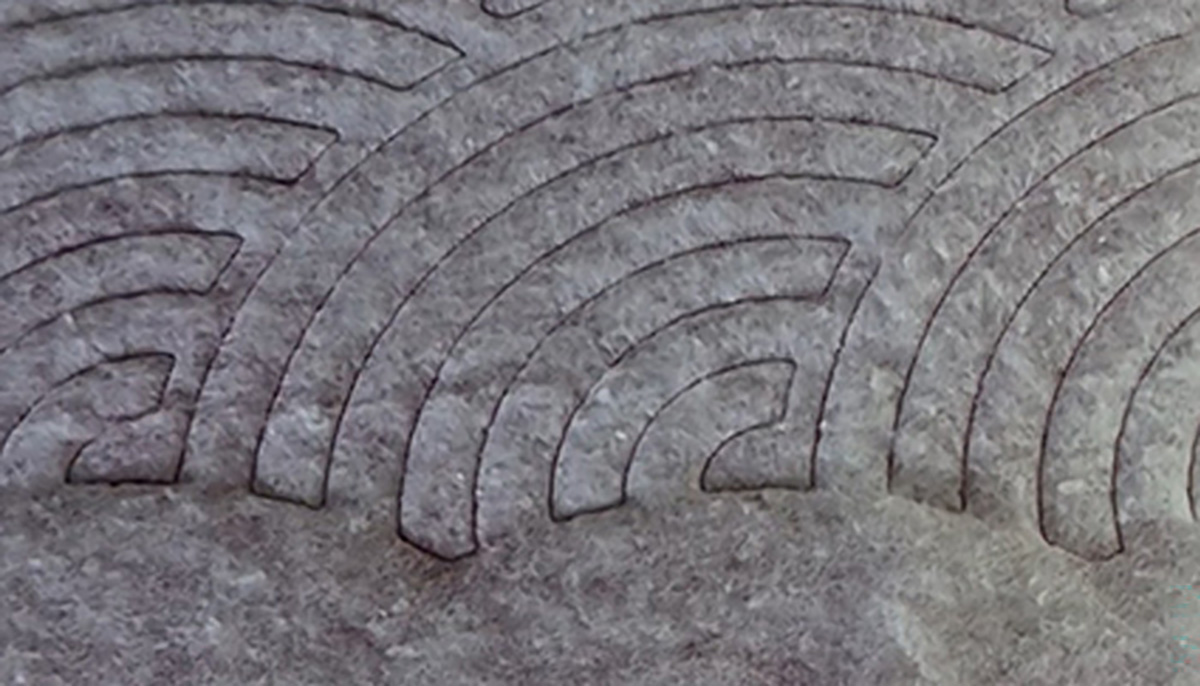
For this trial, I had two types of fabric on hand: a medium weight nylon (black, as pictured above) and a light weight ripstop (red). I used a Microtex needle for its sharp point to help pierce the tough threads. The chrome-plated version of these needles resist heat and friction. The chrome plating assists in both the needle slipping easily through the fabric and the thread gliding through the eye of the needle with minimal resistance. Because neither of the fabrics was particularly heavy, I used an 80/12 gauge.
For thread, I chose Isacord, a synthetic fiber similar to the make-up of the fabric, for strength and water resistance.
Pressing Care for Nylon
Take care when ironing nylon fabric, which essentially is plastic. Use the lowest or “synthetic” setting on your iron and keep the iron moving. It may also be helpful to use a damp press cloth or steam to relax the fibers.
Loading Options
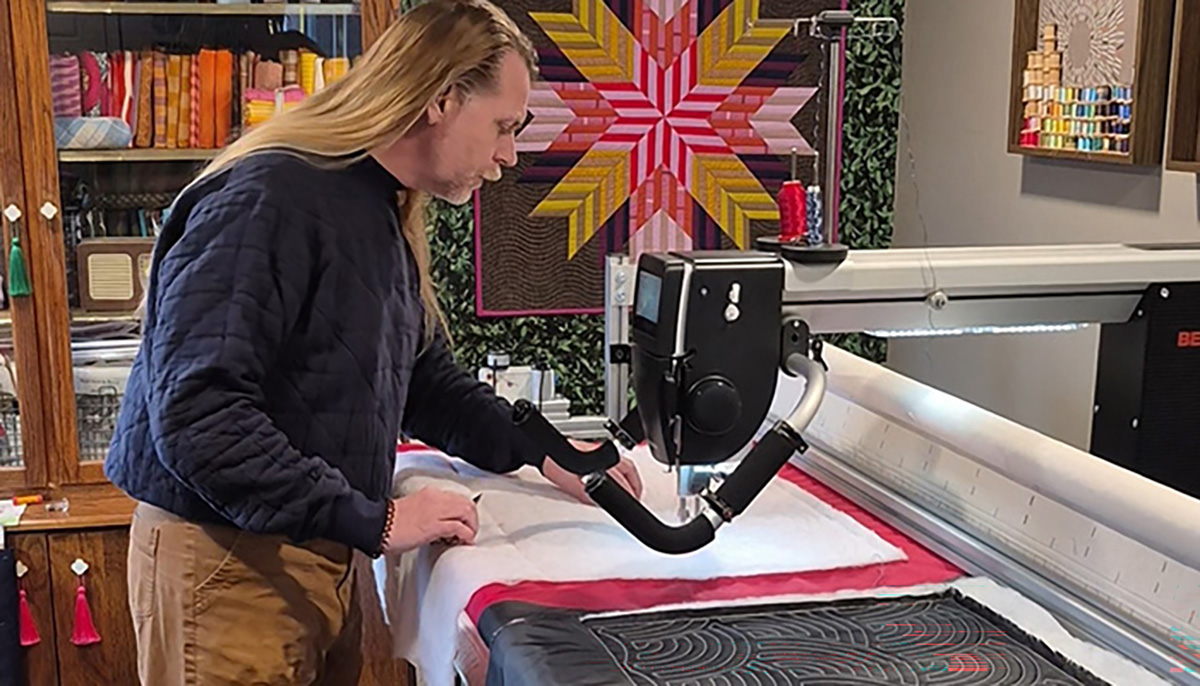
I loaded the frame with two different samples. The first was a more traditional arrangement with nylon fabric above and below a lightweight poly batting. The second was a single layer of ripstop as the base and a layer of batting above. I wanted to see if I could create a quilted lining to be used in garments where you don’t want the quilting on the outside of the garment, only the lining.
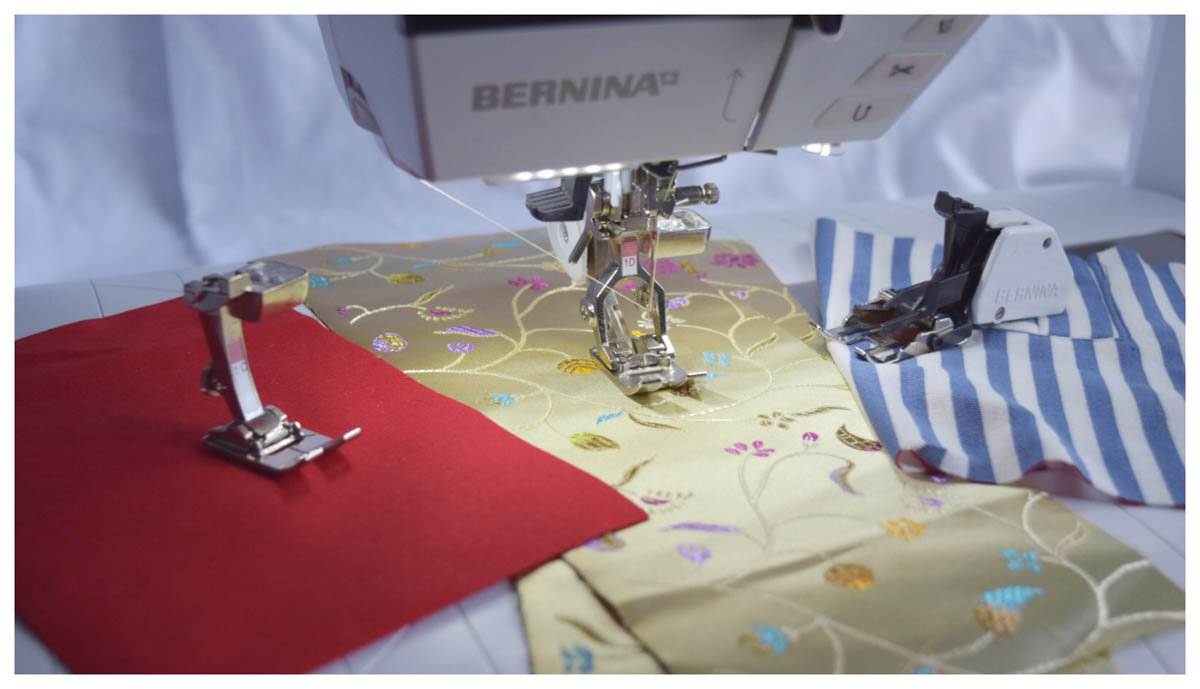
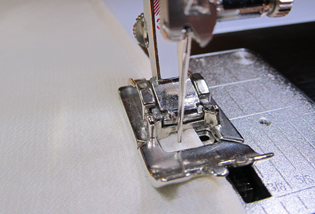
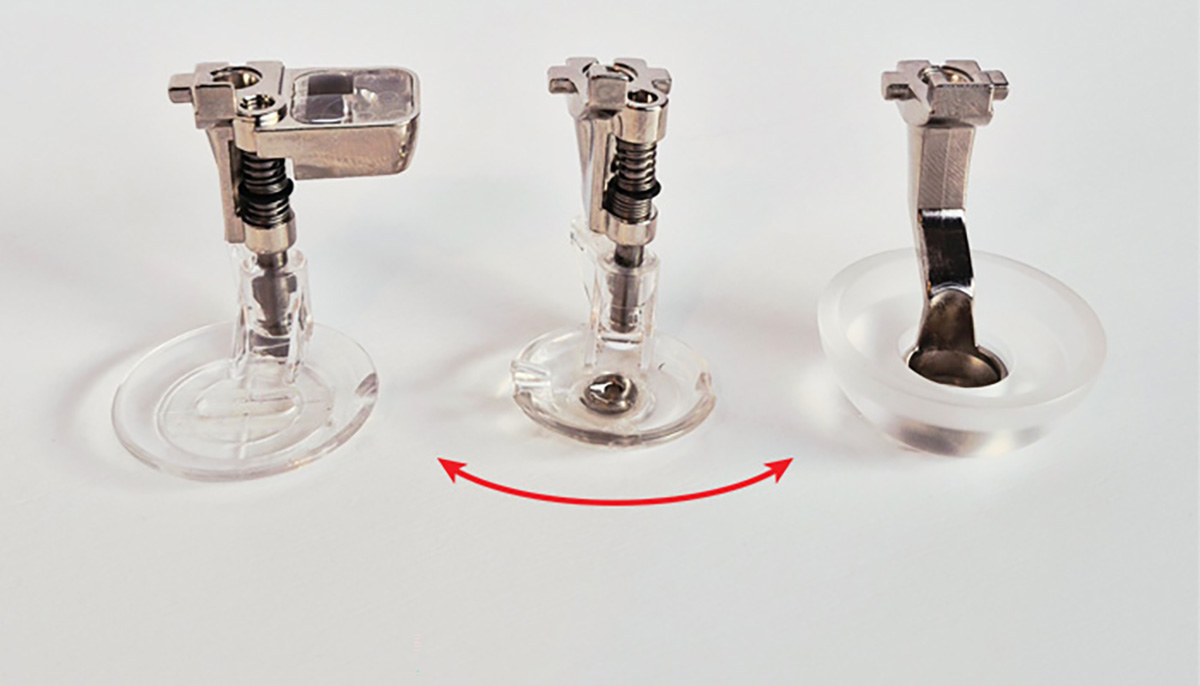
On the second sample, to prevent getting tangled in the loose batting, use any of the bowl-shaped feet such as Echo Quilting and CutWork Foot #44C, Adjustable Gliding Cup Foot #74, Free-motion Couching Foot #43, or Adjustable Ruler Foot #72/72S with the Cup Clip attachment.
How did it go?
On the nylon quilt sandwich, everything worked wonderfully. I used contrasting thread so that I could see if any tension adjustments were needed. No adjustments were needed for this sample, but they could be if using heavier fabric or batting.
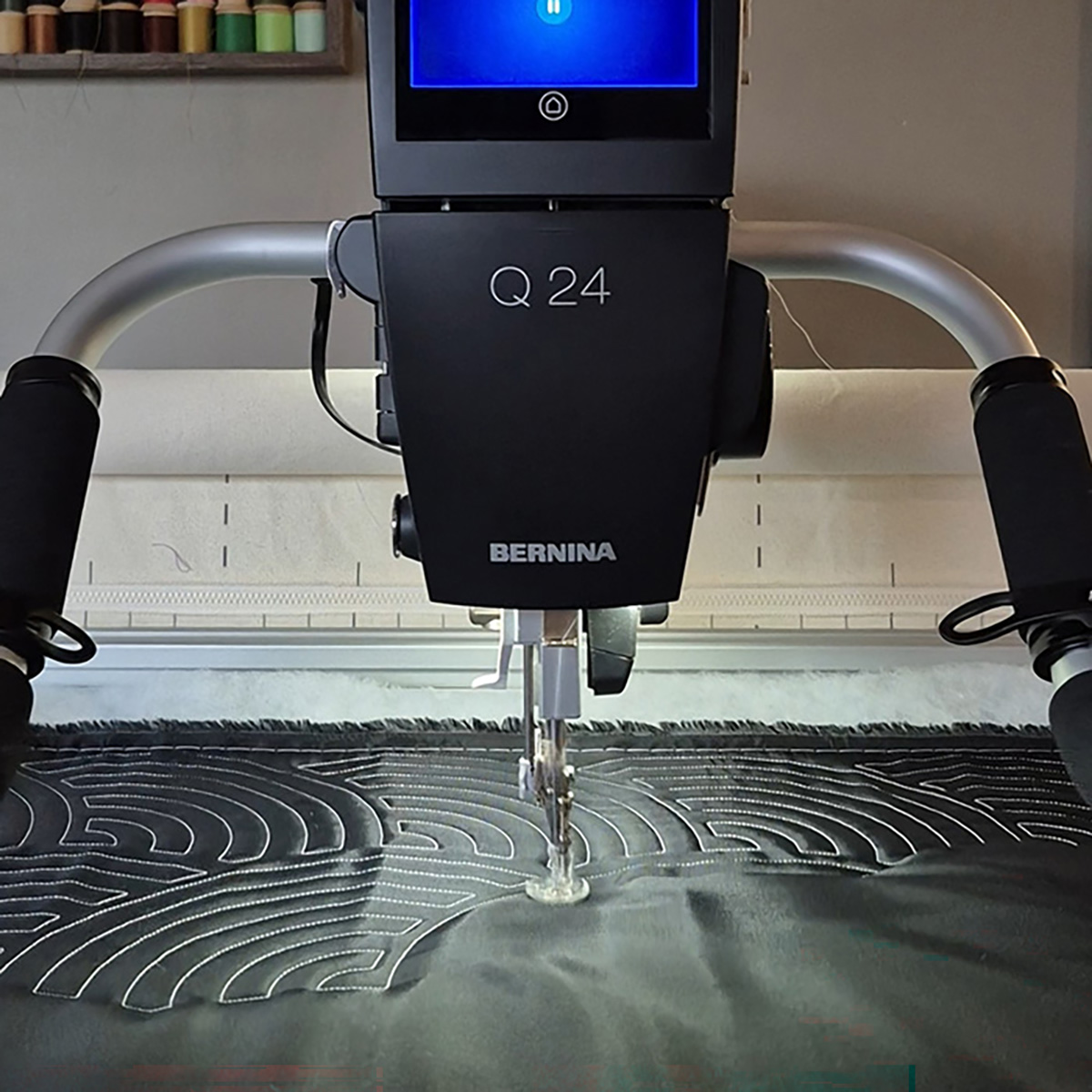
After quilting the first sample with no issues, I got excited for the second one. I decided to go for broke and try bobbinwork. I wound a bobbin with Dazzle by Wonderfil, an 8-weight metallic rayon thread, then loosened the spring on the bobbin case so that it would let the thick thread release easily. The upper thread remained Isacord, but I changed colors to match the Dazzle thread.
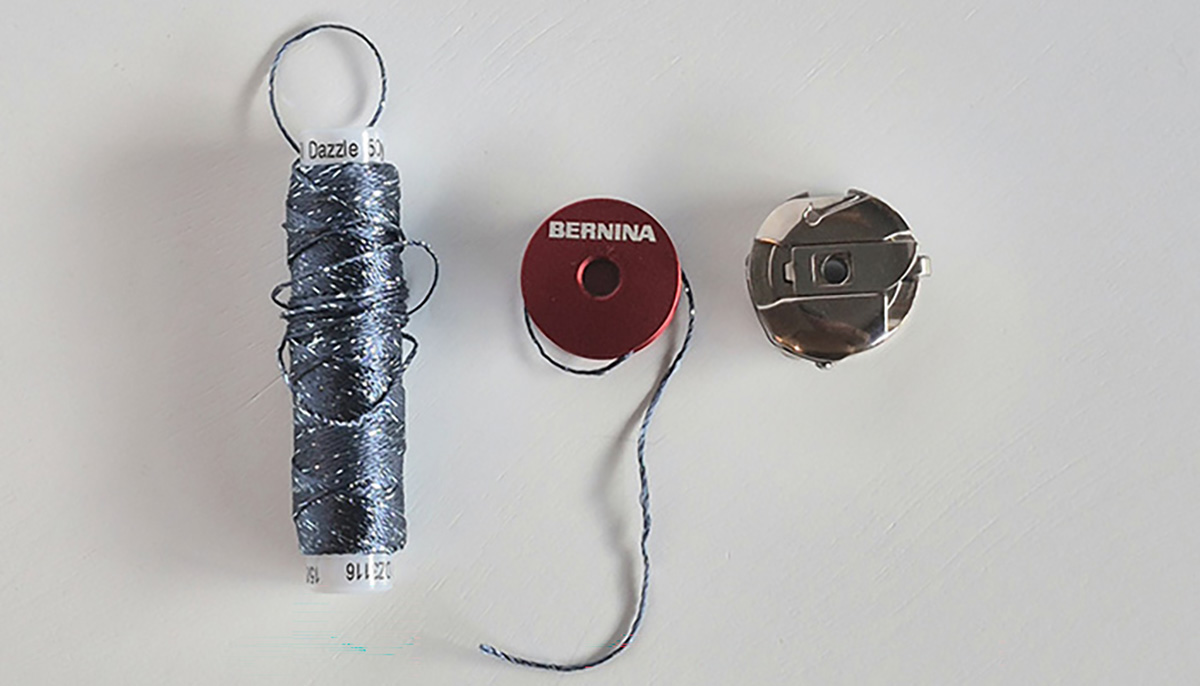
I’ll be honest, it’s a little tough to pull the bobbin thread up at the beginning of stitching, but after that it ran like a dream. With a cupped foot gliding over the batting, I crawled under the longarm to appease my curiosity about how it was going down below.
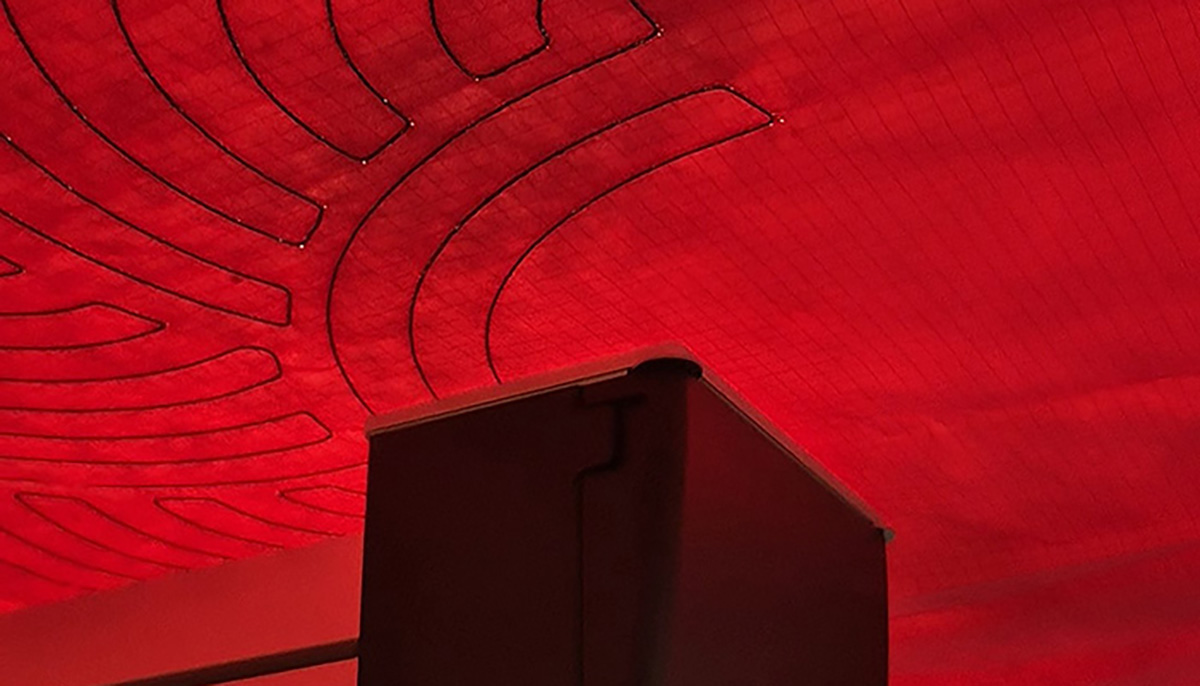
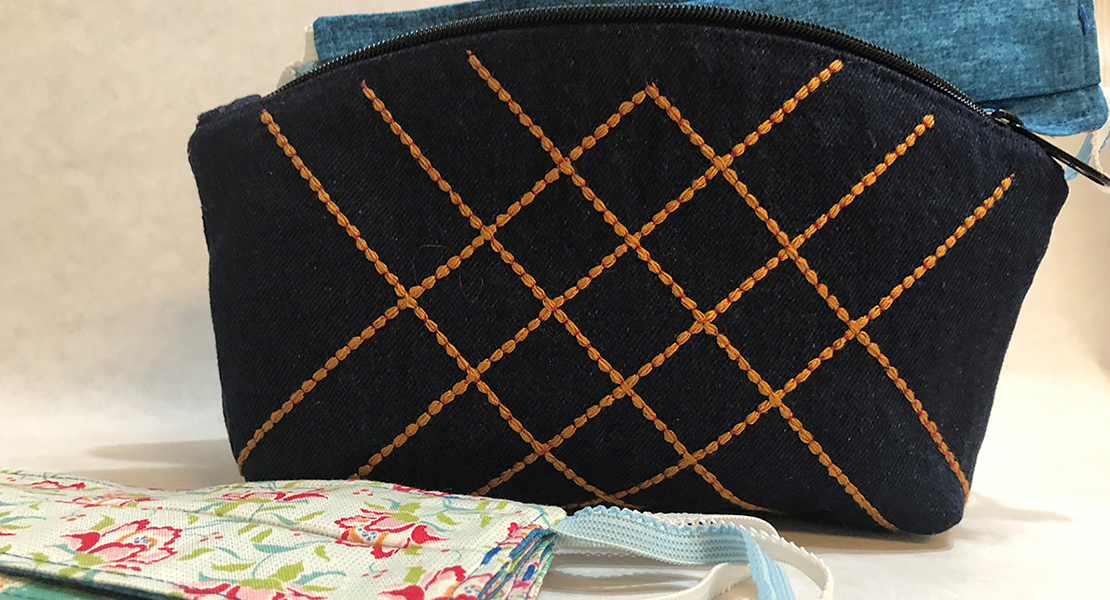
It wasn’t until I finished and removed the fabric that I saw how magical it really was.
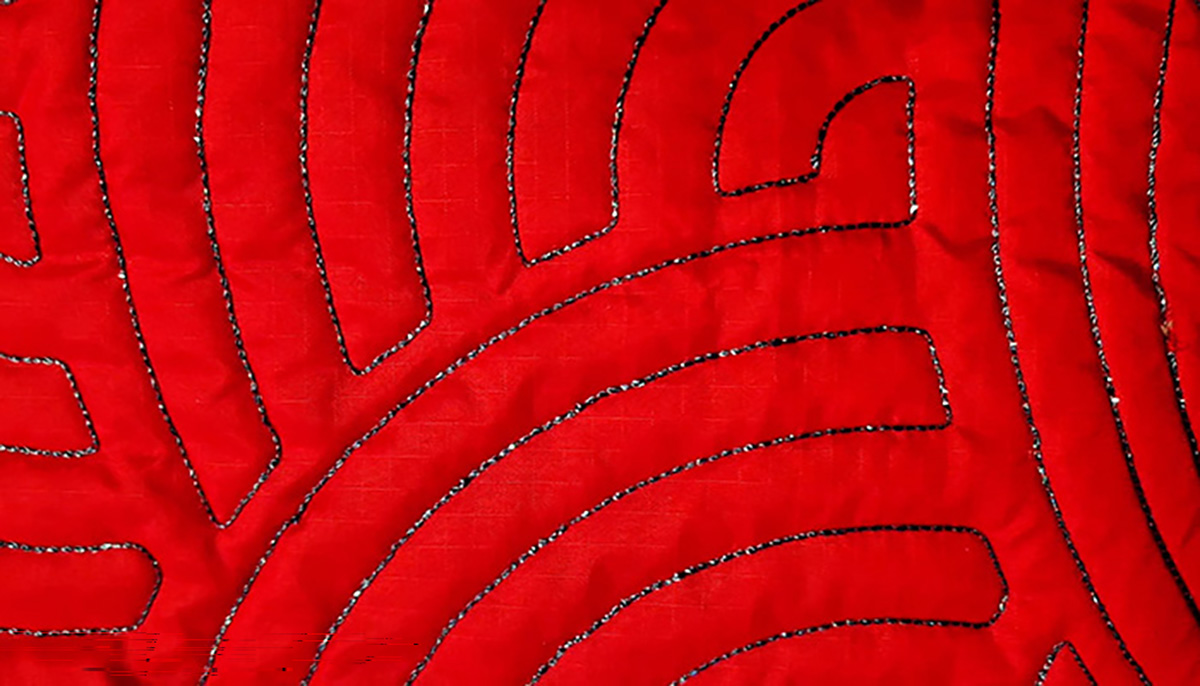
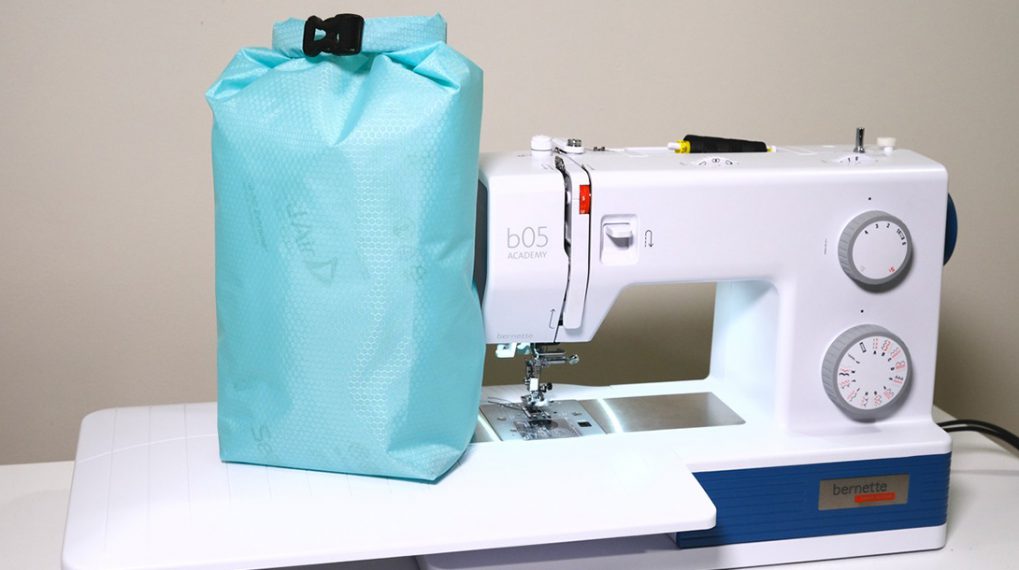
This turned out so cool that I immediately got excited to make something with it and whipped up a little bag. The nice thing about this is that now I know that the use of my longarm is not limited to just quilts. I can create more weather-appropriate garments or camping gear that suits my aesthetic. Maybe I’ll make a poncho for the dog. Or a quilted bucket hat. I’m excited to see how this sparks your creativity and how you will push the boundaries of your longarm.