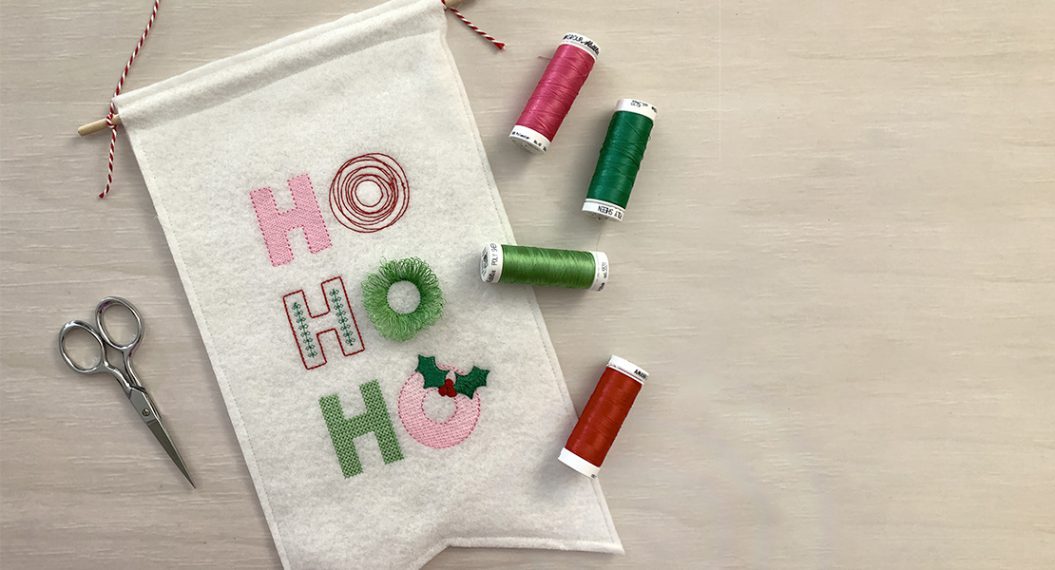
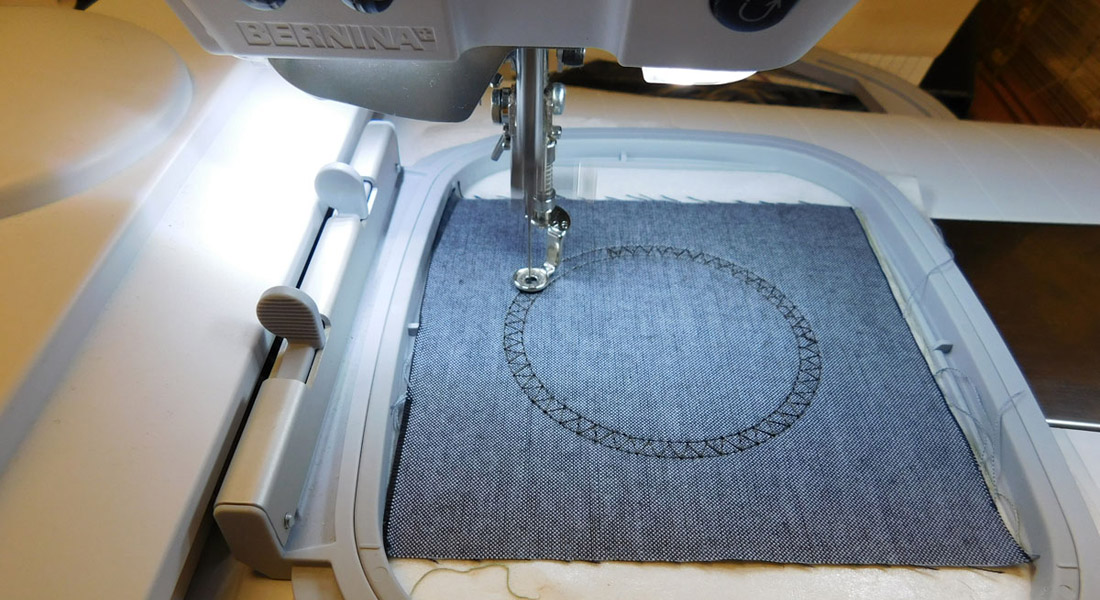
Pressing Start: Becoming a Beginner Again with Machine Embroidery

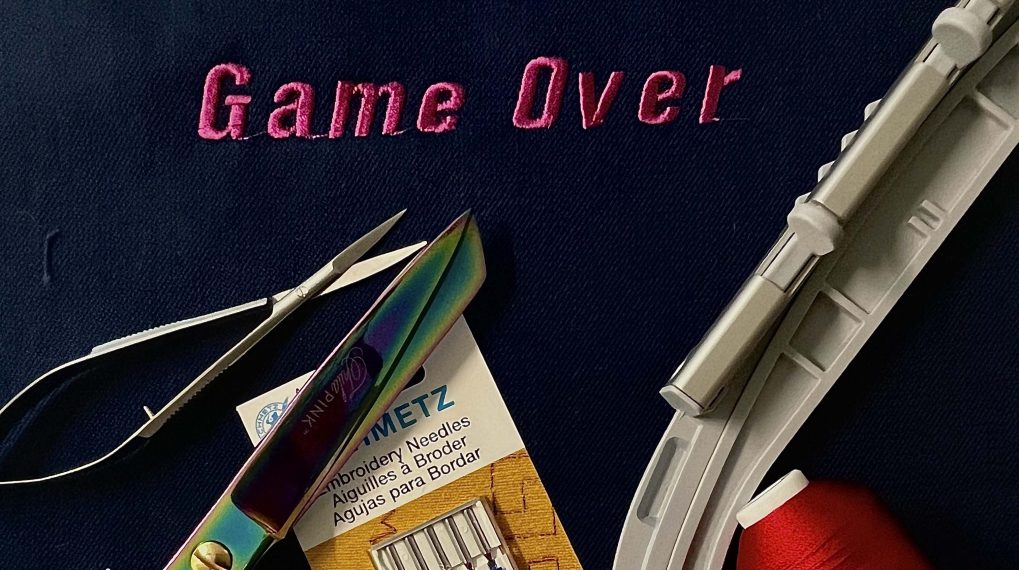
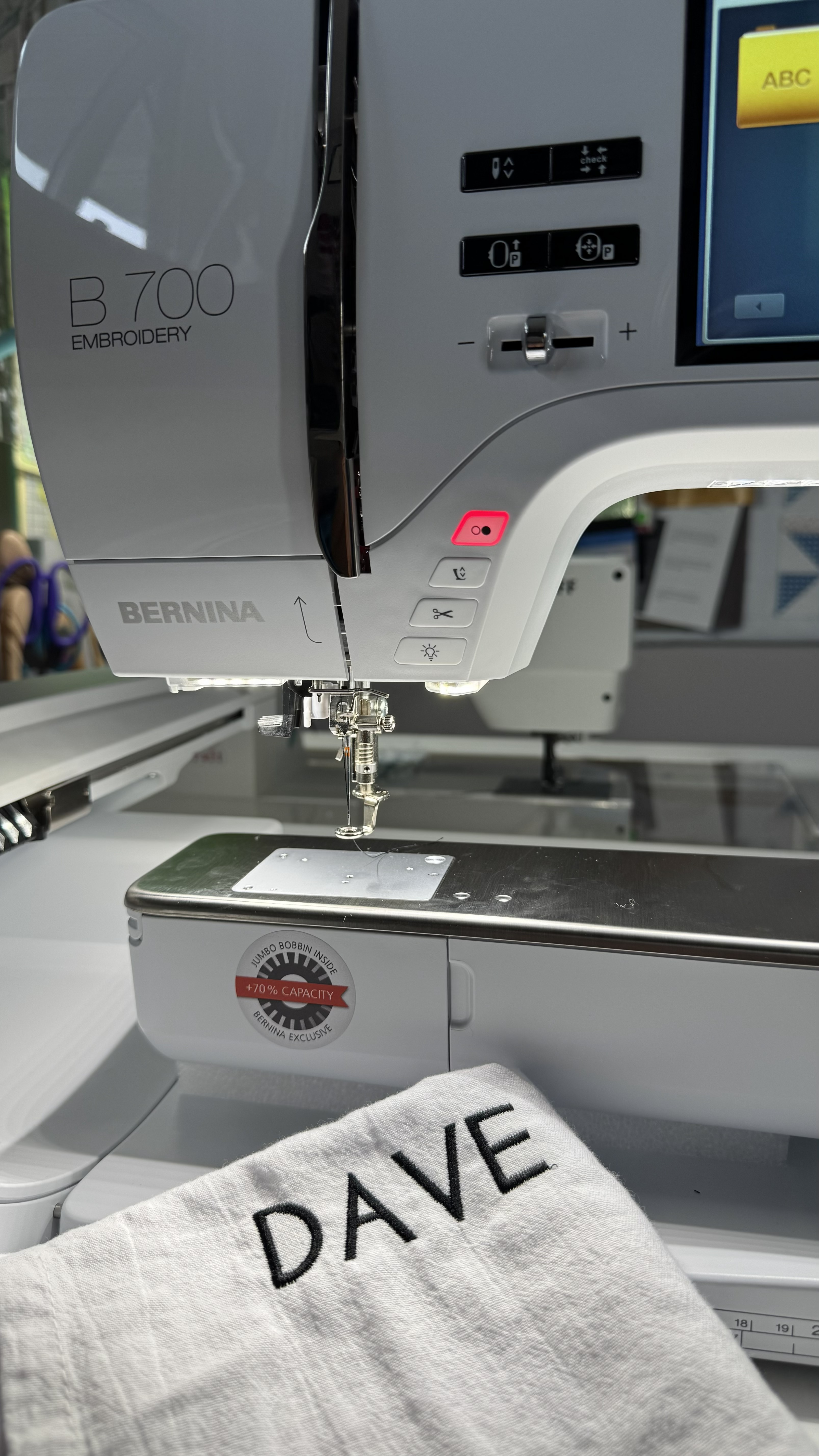
The first time I pressed “start” on an embroidery design, I hovered over the green button longer than I want to admit. Starting something new is uncomfortable at any stage of life. Starting something new when you already trust your hands and instincts as a sewist can feel like stepping backward before you can move forward.
For a long time, machine embroidery sat on the edge of my creative world. I noticed it. I respected it. But I did not feel particularly drawn to it. My sewing life was already full with garments, bags, and quilting. Embroidery didn’t feel essential to my creative practice.
So, what finally nudged me towards the investment in an embroidery machine? An impromptu trade show purchase brought on by super cute OESD Harry Potter embroidery designs. Don’t judge; we have all been there.
Throughout this series, I am inviting you into a real beginner’s journey. Not polished. Not expert. Just honest. It isn’t going to be about becoming an embroidery expert. It is about pressing start and being a beginner again.
Assumptions: You Know What They Say About Assuming…
Before I ever touched an embroidery hoop, I carried a very specific picture of what machine embroidery was.
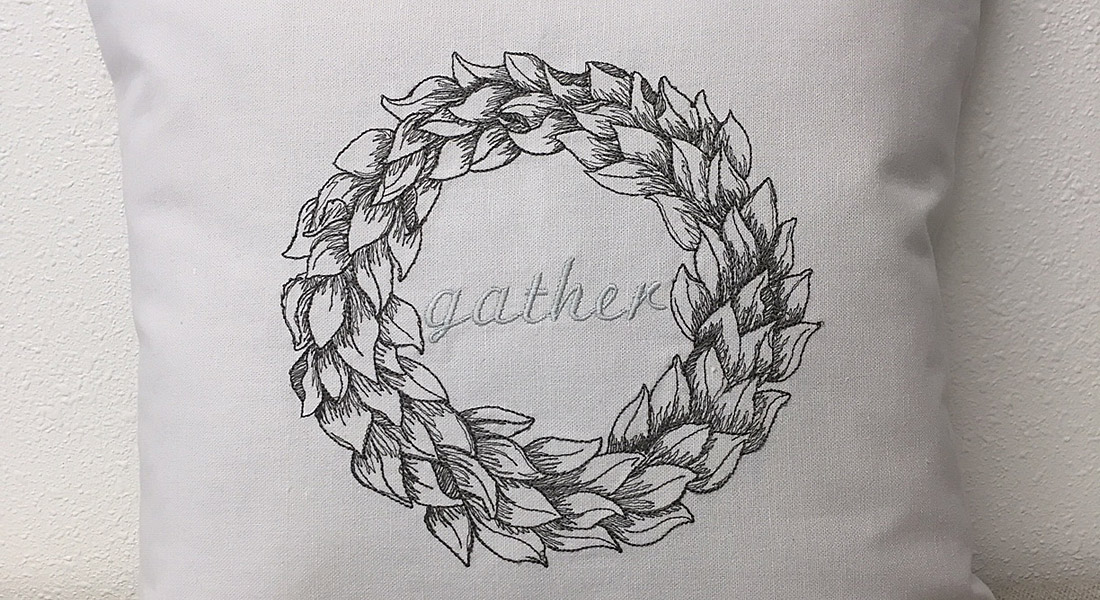
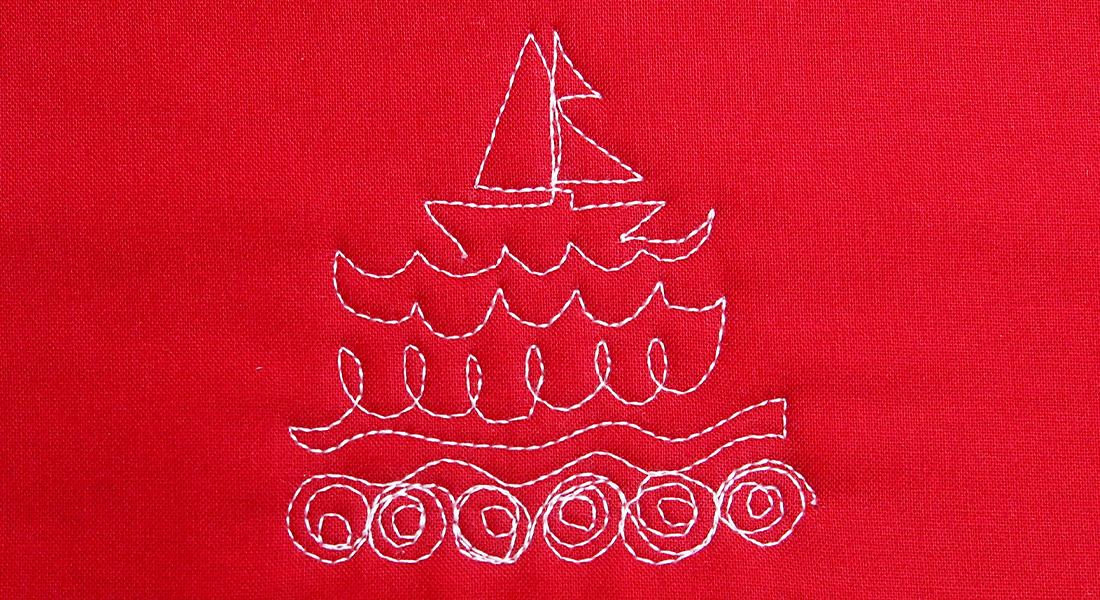
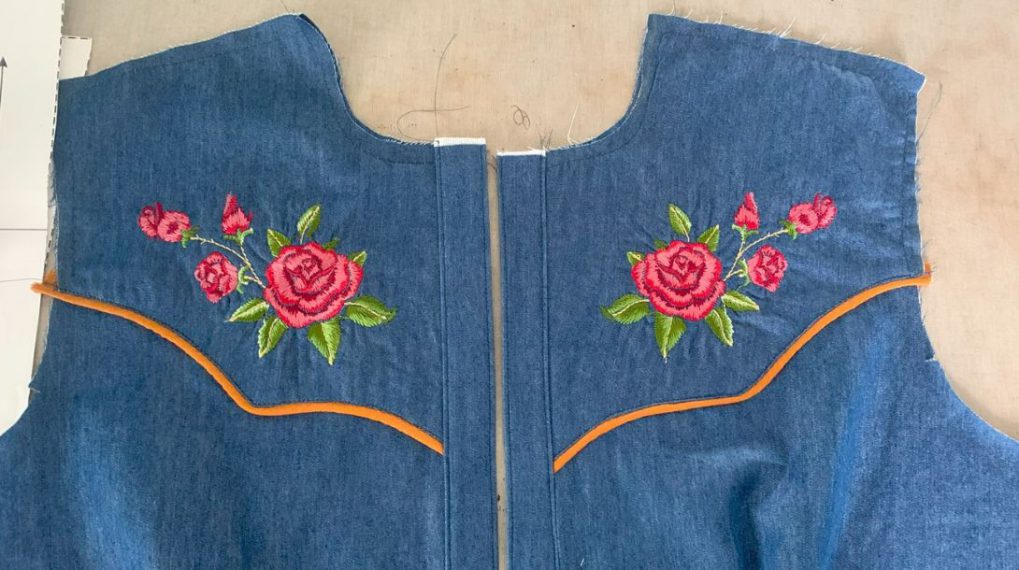
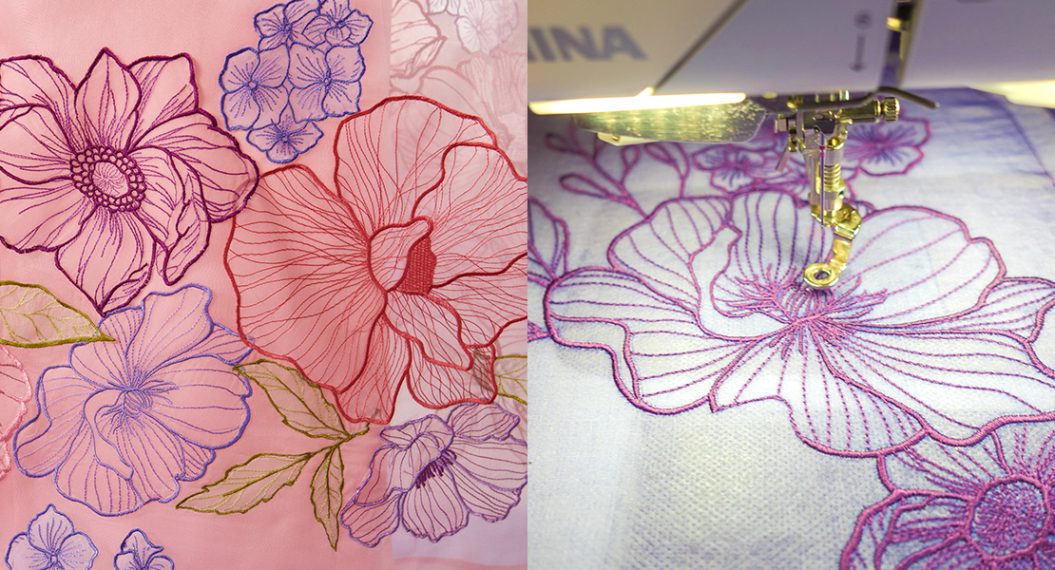
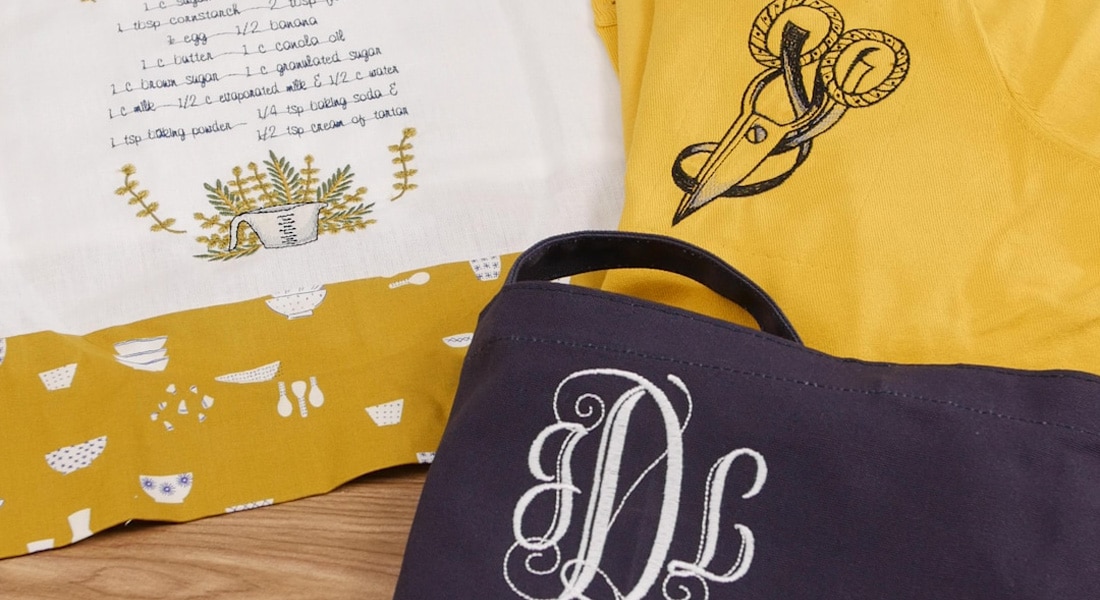
I associated it with towels, monograms, and embroidery that was mostly decorative in a predictable and rigid way. I did not expect it to intersect with modern aesthetics or design, or to offer the level of customization that it does.
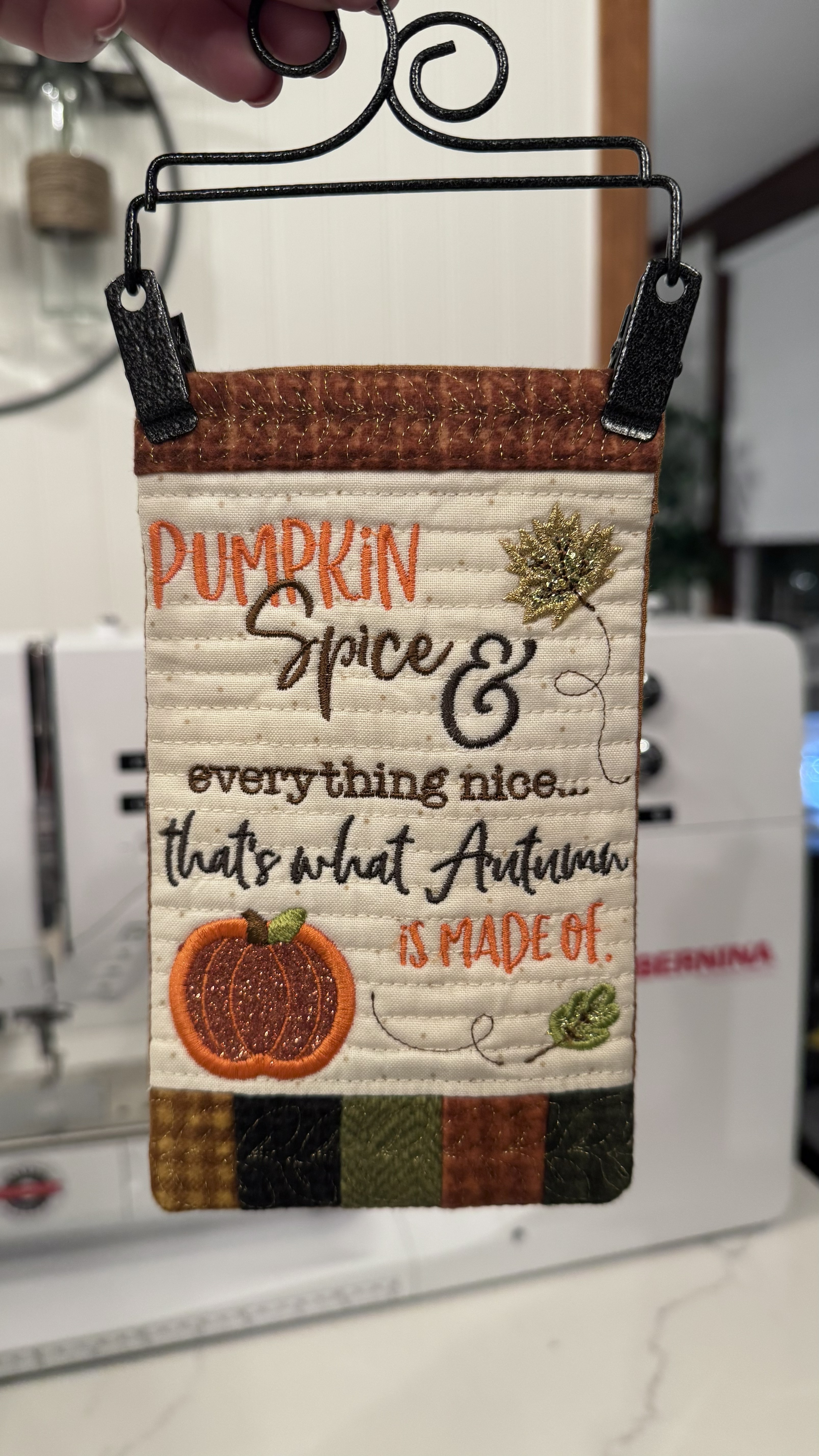
What surprised me most were in-the-hoop projects. Completing an entire project in the hoop, guided step by step by the machine, was something I did not even know was possible.
Most importantly, I assumed it might be something I appreciated from a distance, rather than something I would genuinely enjoy doing myself.
What I did not expect was how quickly those assumptions fell apart once I started stitching.
Becoming a Rookie All Over Again
There is a unique vulnerability that comes with being new at something. It is a delicate see-saw between reckless abandon and the sudden fear that you might ruin or break something because you are starting from zero.
I am comfortable at a sewing machine. I trust my instincts, and I know how fabric behaves, how thread responds, and how to troubleshoot when things go wrong. That confidence has been built over years of repetition, mistakes, and problem-solving.
Machine embroidery disrupted that comfort.
I wasn’t necessarily afraid of failure, but I was acutely aware of being a beginner again. Embroidery forced me to slow down and actually read instructions instead of relying on muscle memory.
That vulnerability was not dramatic, but it was real. It showed up as hesitation. As double-checking settings. As wondering whether I was doing things “right” instead of simply playing with creative boundaries.
Letting myself be a learner again required a quiet shift in mindset. Not lowering expectations (that are already abnormally high), but softening them and giving myself grace to learn.
Intimidation Enters the Room
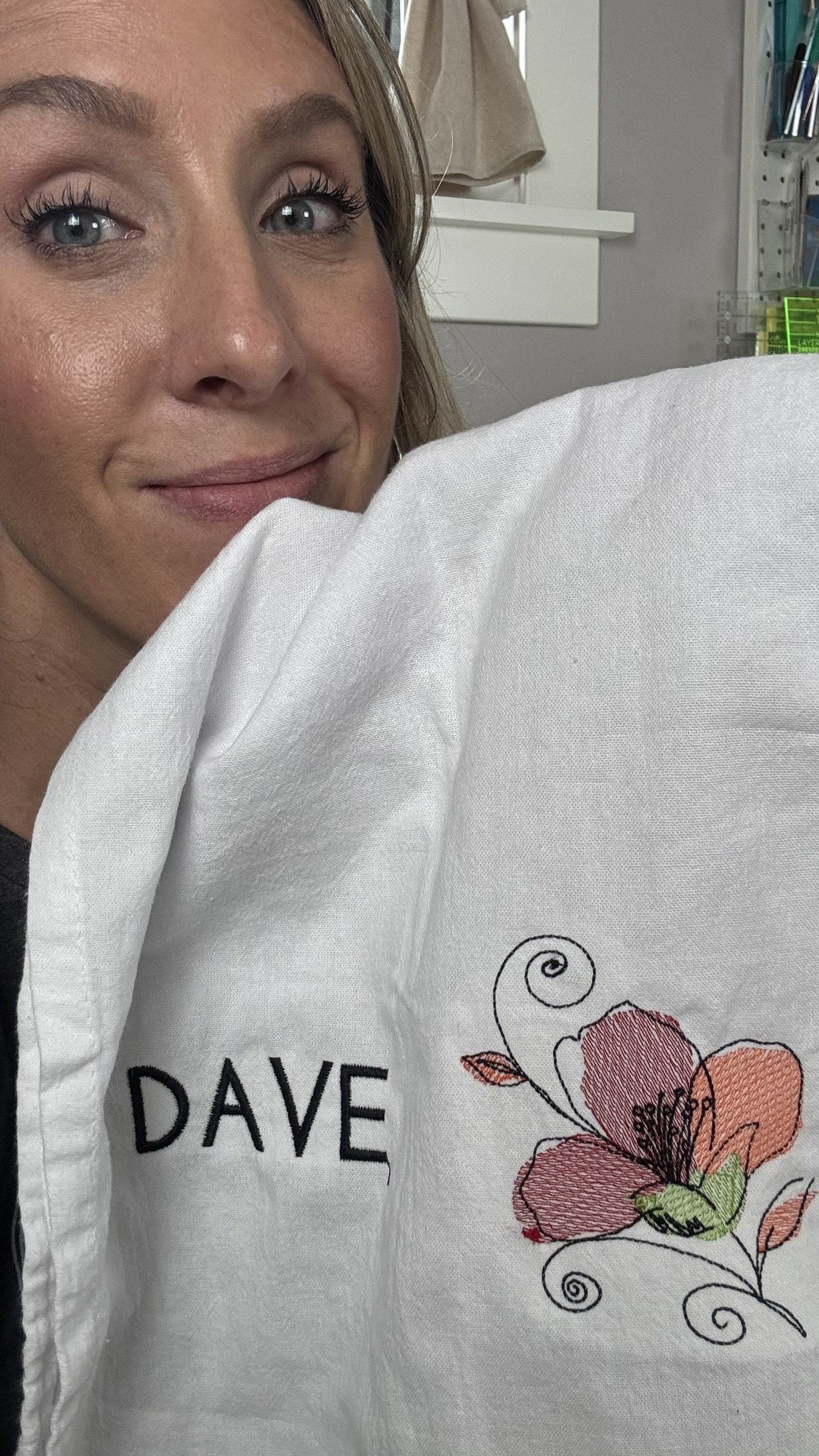
Some parts of embroidery felt intimidating right away, and not just because social media algorithms were showing me incredible embroidery projects.
The permanence of stitching stood out immediately. Embroidery is not forgiving in the way seams can be. Once stitches are done, they are there; Jack the Seam Ripper isn’t going to save me. That made every decision feel more deliberate, from design placement to fabric choice.
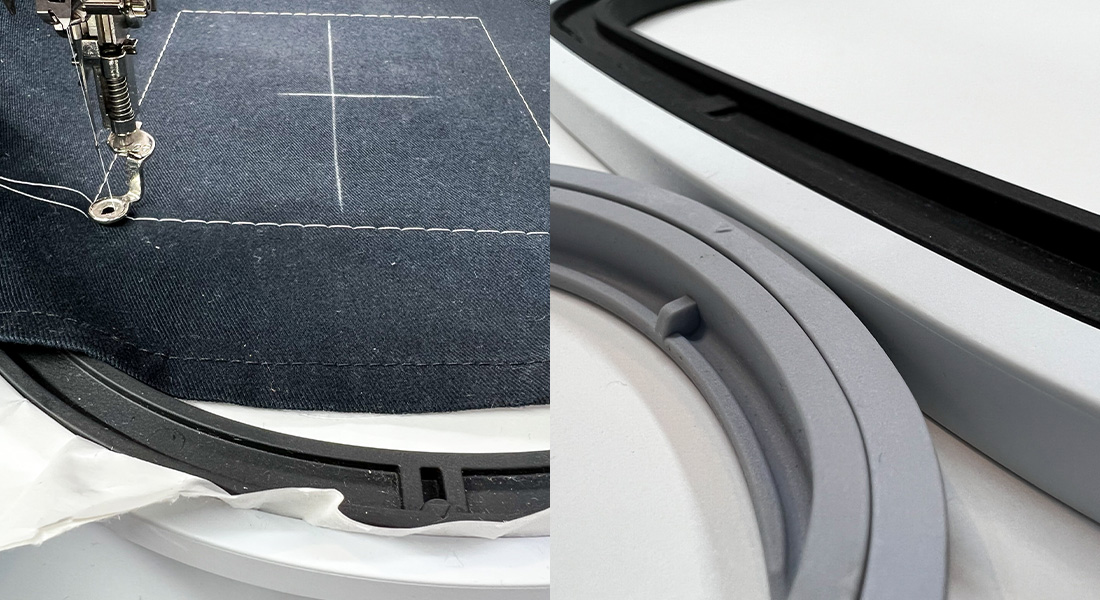
The vocabulary created friction. Stabilizers, stitch density, underlay. These concepts weren’t new, but they were applied differently than what I was used to.
There was also the speed of the machine. Watching stitches form so quickly felt slightly overwhelming in some odd way. Like once I let the train leave the station, I couldn’t return.
Comfort Blankets Here and There
Just as quickly, there were things that felt familiar. Embroidery followed many of the same principles I already understood as a sewist. Stabilizers were not mysterious, just different. Thread behavior made sense. Machine structure felt the same when troubleshooting. Fabric choice mattered in ways I recognized.
Design placement was a creative decision rather than a technical hurdle. That being said, I am realizing how much more intentional I can be about design placement as I build technical fluency in this area. Choosing colors felt intuitive. Watching a design build stitch by stitch was not stressful. It was meditative.
And then I realized, I was having fun. Embroidery did not feel like a departure from my creative identity. It felt like a new way to explore it.
The BERNINA Difference
Early confidence is fragile when learning something new. The machine you are using plays a huge role in whether that confidence grows or collapses.
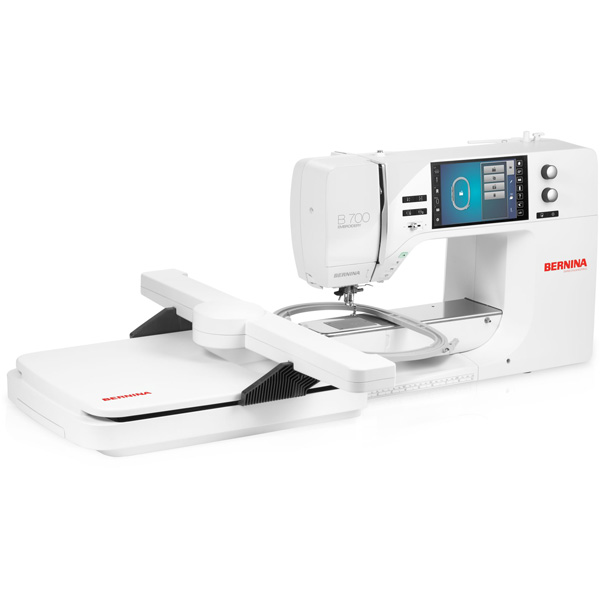
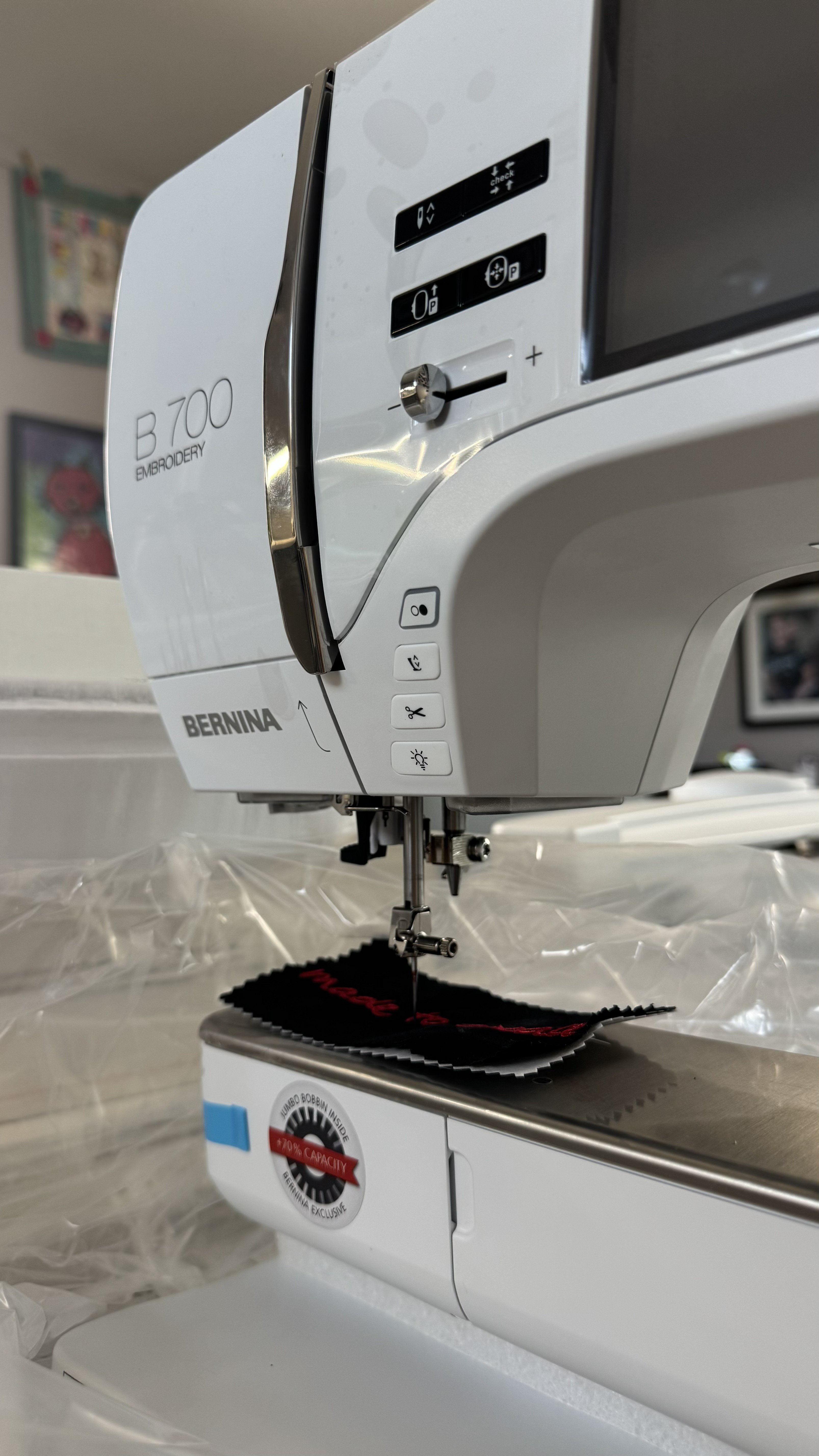
The BERNINA 700 E felt solid and predictable in the best way. The interface was intuitive, the machine’s on-screen guidance was clear, and nothing felt hidden or overly technical.
I did not feel like I was fighting the machine or decoding hidden systems. I could focus on learning embroidery itself instead of worrying whether I was missing something critical.
That clarity matters, especially at the beginning. It creates space to experiment, observe, and learn without unnecessary stress.
In the beginning, I had some issues with my bobbin. Thanks to the manual and the walk-through I received from Sew Much More when I purchased the machine, I knew I could fix the issue without panic or risk of damaging the machine.
Small successes came quickly, and those early wins made me want to keep going.
Reframing Fear as Part of Making
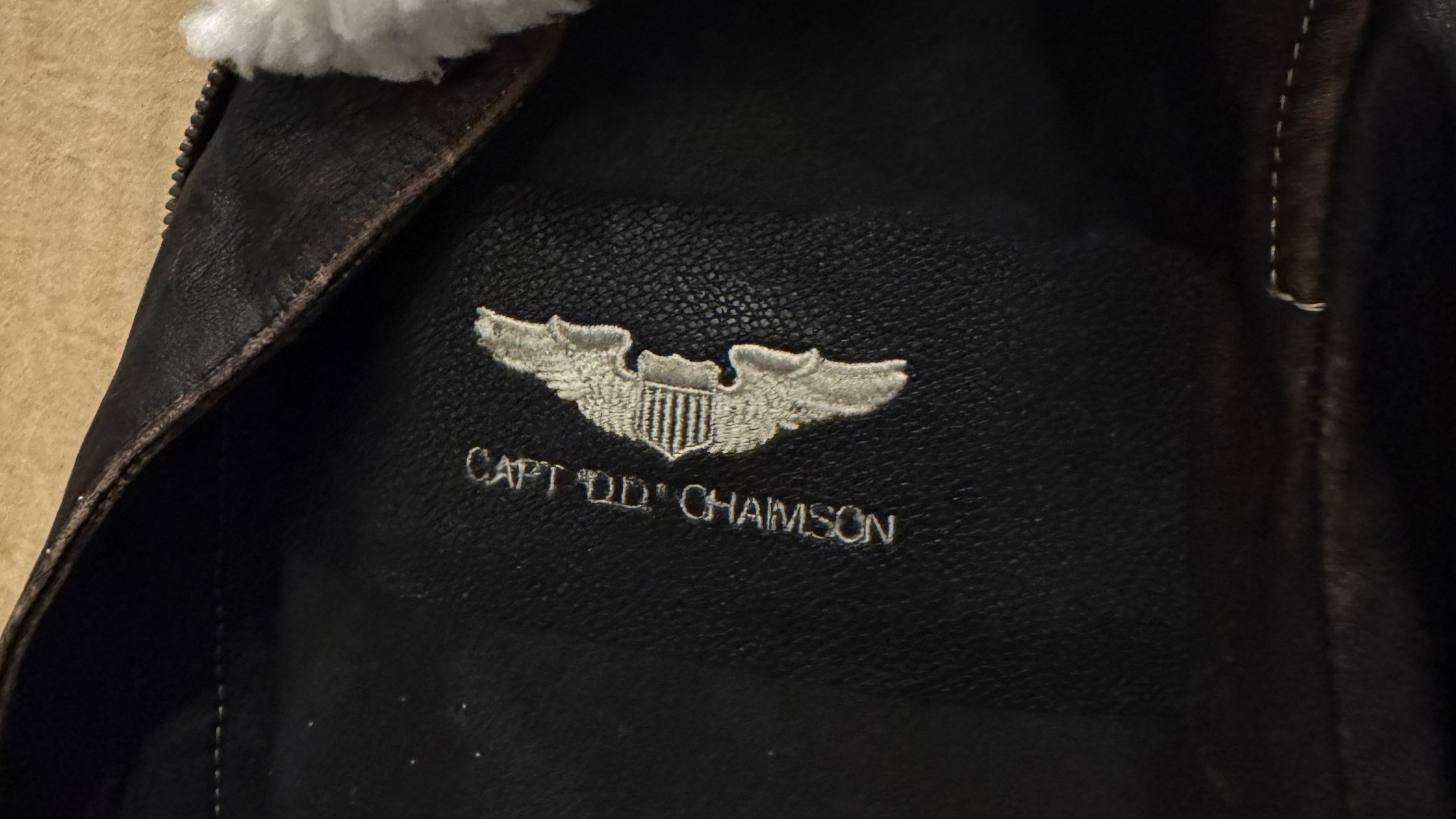
It is easy to see fear as a sign that you should wait. Or prepare more. Or decide embroidery might not be for you after all.
Something I had to remind myself of was that fear often shows up right before growth.
The fear I felt was not about the machine. It was about stepping outside of what felt familiar. About allowing myself to be visibly new again.
Once I stopped treating fear as a problem to solve and started treating it as information, the experience changed. Fear became a signal that I was expanding my creative range, not failing at it.
Embroidery as Creative Expansion
Perhaps the biggest surprise was realizing how embroidery expanded my creativity rather than narrowing it.
I did not expect embroidery to feel playful. I did not expect it to spark ideas about embroidery design, texture, and project storytelling. And I definitely did not expect it to feel so integrated with the way I already think about making. It felt like a natural extension, adding another layer to how ideas could be expressed.
That realization shifted embroidery from something I was trying to learn into something I wanted to explore–quickly and deeply.
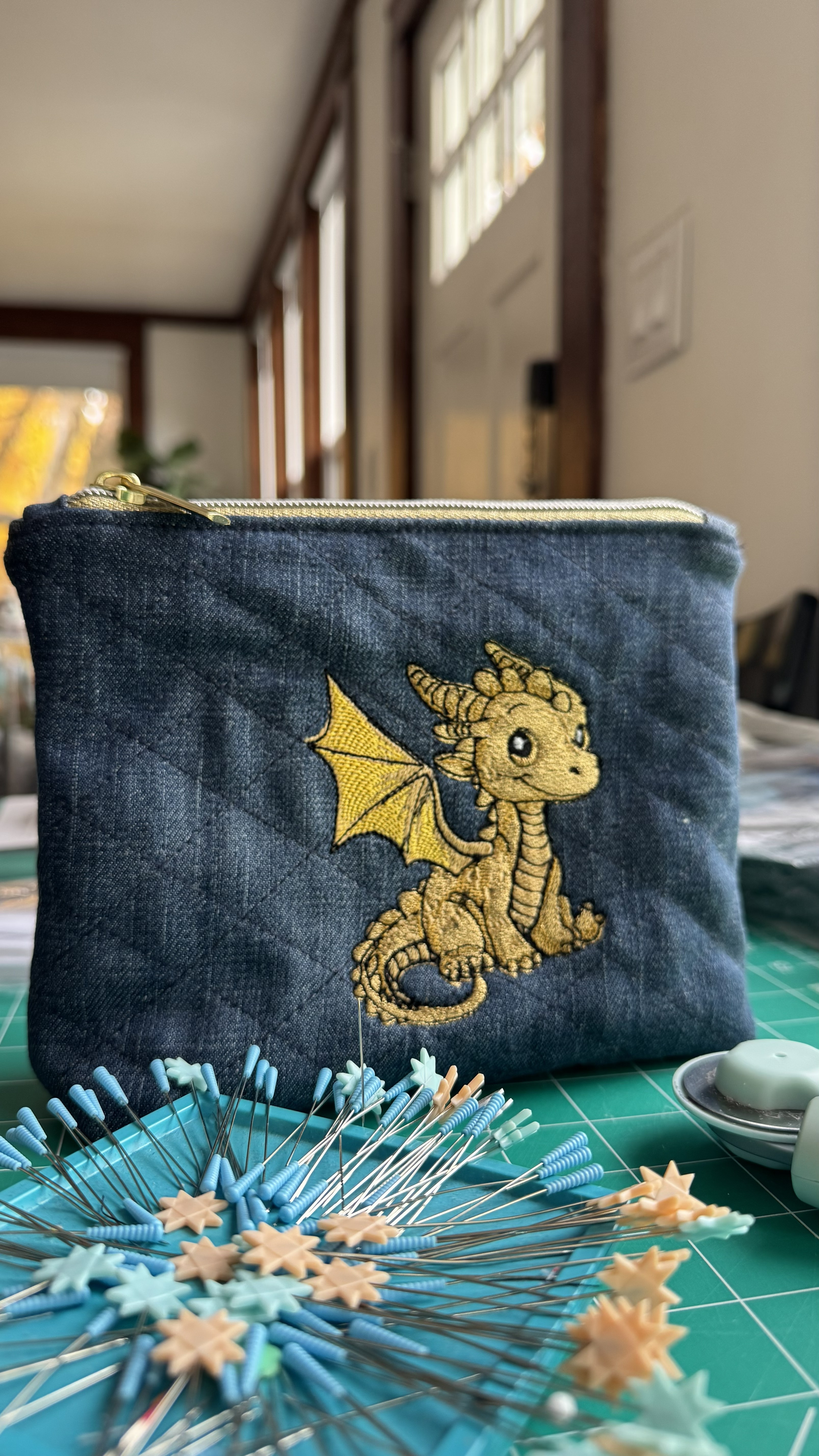
Pressing Start Is Enough
If you have been sewing for years and find yourself hesitating at the idea of embroidery, you are not alone. That hesitation does not mean embroidery is not for you. It often means it might stretch you in meaningful ways.
Pressing start is not a commitment to perfection. It is simply a willingness to begin.
And sometimes, that is the most creative decision you can make.
Looking Ahead
This post is the first in a year-long series exploring how machine embroidery fits into a real creative life. Over the coming months, I will be sharing what I learn as I continue this journey. Not just the successes, but the mistakes, the questions, and the moments when things finally begin to click. In the next post, I will share the first embroidery mistake that made me stop the machine mid-design and what it taught me about stabilizers, patience, and letting go of perfection.
Future posts will dive into what went wrong and what those missteps taught me, how embroidery is influencing my creative thinking, and how it has gradually found its place alongside my existing sewing practices.
If you would like to follow along between posts, you can find me sharing projects, experiments, and behind-the-scenes learning on Instagram and YouTube. I would love to have you there as I keep stitching, learning, and pressing start again and again.